এই ই-বুকের বিষয়ে
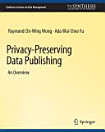
Privacy preservation has become a major issue in many data analysis applications. When a data set is released to other parties for data analysis, privacy-preserving techniques are often required to reduce the possibility of identifying sensitive information about individuals. For example, in medical data, sensitive information can be the fact that a particular patient suffers from HIV. In spatial data, sensitive information can be a specific location of an individual. In web surfing data, the information that a user browses certain websites may be considered sensitive. Consider a dataset containing some sensitive information is to be released to the public. In order to protect sensitive information, the simplest solution is not to disclose the information. However, this would be an overkill since it will hinder the process of data analysis over the data from which we can find interesting patterns. Moreover, in some applications, the data must be disclosed under the government regulations. Alternatively, the data owner can first modify the data such that the modified data can guarantee privacy and, at the same time, the modified data retains sufficient utility and can be released to other parties safely. This process is usually called as privacy-preserving data publishing. In this monograph, we study how the data owner can modify the data and how the modified data can preserve privacy and protect sensitive information. Table of Contents: Introduction / Fundamental Concepts / One-Time Data Publishing / Multiple-Time Data Publishing / Graph Data / Other Data Types / Future Research Directions
Privacy preservation has become a major issue in many data analysis applications. When a data set is released to other parties for data analysis, privacy-preserving techniques are often required to reduce the possibility of identifying sensitive information about individuals. For example, in medi...
আরও খুঁজুন
ই-বুকে রেটিং দিন
আপনার মতামত জানান।
পঠন তথ্য
স্মার্টফোন এবং ট্যাবলেট
Android এবং iPad/iPhone এর জন্য Google Play বই অ্যাপ ইনস্টল করুন। এটি আপনার অ্যাকাউন্টের সাথে অটোমেটিক সিঙ্ক হয় ও আপনি অনলাইন বা অফলাইন যাই থাকুন না কেন আপনাকে পড়তে দেয়।
ল্যাপটপ ও কম্পিউটার
Google Play থেকে কেনা অডিওবুক আপনি কম্পিউটারের ওয়েব ব্রাউজারে শুনতে পারেন।
eReader এবং অন্যান্য ডিভাইস
Kobo eReaders-এর মতো e-ink ডিভাইসে পড়তে, আপনাকে একটি ফাইল ডাউনলোড ও আপনার ডিভাইসে ট্রান্সফার করতে হবে। ব্যবহারকারীর উদ্দেশ্যে তৈরি সহায়তা কেন্দ্রতে দেওয়া নির্দেশাবলী অনুসরণ করে যেসব eReader-এ ফাইল পড়া যাবে সেখানে ট্রান্সফার করুন।