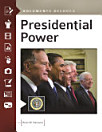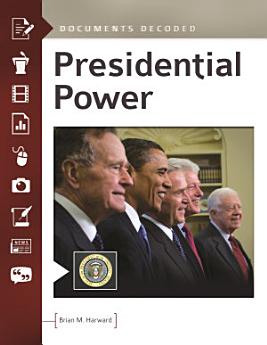
Presidential Power: Documents Decoded
માર્ચ 2016 · Bloomsbury Publishing USA
ઇ-પુસ્તક
368
પેજ
આ ઇ-પુસ્તક વિશે
This volume uses essential and illuminating primary documents as a portal for understanding the evolution and present parameters of presidential power, the relationship between America's three branches of government, and why wartime often leads presidents to claim expansive powers and authority.
Presidential Power: Documents Decoded provides a thorough examination of the historical and political context of key, critical moments in constitutional history and presidential power that makes possible opportunities for students to explore American politics in an interesting, memorable, and dynamic way. Each of the case studies reveals important dimensions of the constitutional order in the United States—and enables readers to better grasp how executive power has shifted and expanded.
The book takes specific events, people, institutions, or ideas and places them in a broader context so that readers can observe patterns and make connections among seemingly disparate happenings and concepts relating to executive power. Accompanied by explanatory sidebars, the included primary sources let students examine actual documentary evidence of key elements of executive power—for example, the presidential memorandum, the National Security cable, and the prisoner's petition—and reach their own judgment of the implications of that document for the American political system.
Presidential Power: Documents Decoded provides a thorough examination of the historical and political context of key, critical moments in constitutional history and presidential power that makes possible opportunities for students to explore American politics in an interesting, memorable, and dynamic way. Each of the case studies reveals important dimensions of the constitutional order in the United States—and enables readers to better grasp how executive power has shifted and expanded.
The book takes specific events, people, institutions, or ideas and places them in a broader context so that readers can observe patterns and make connections among seemingly disparate happenings and concepts relating to executive power. Accompanied by explanatory sidebars, the included primary sources let students examine actual documentary evidence of key elements of executive power—for example, the presidential memorandum, the National Security cable, and the prisoner's petition—and reach their own judgment of the implications of that document for the American political system.
This volume uses essential and illuminating primary documents as a portal for understanding the evolution and present parameters of presidential power, the relationship between America's three branches of government, and why wartime often leads presidents to claim expansive powers and authority.
...
વધુ શોધો
લેખક વિશે
Brian M. Harward, PhD, is associate professor of political science and director of the Center for Political Participation at Allegheny College.
Brian M. Harward, PhD, is associate professor of political science and director of the Center for Political Participation at Allegheny College.
આ ઇ-પુસ્તકને રેટિંગ આપો
તમે શું વિચારો છો અમને જણાવો.
માહિતી વાંચવી
સ્માર્ટફોન અને ટૅબ્લેટ
Android અને iPad/iPhone માટે Google Play Books ઍપ ઇન્સ્ટૉલ કરો. તે તમારા એકાઉન્ટ સાથે ઑટોમૅટિક રીતે સિંક થાય છે અને તમને જ્યાં પણ હો ત્યાં તમને ઑનલાઇન અથવા ઑફલાઇન વાંચવાની મંજૂરી આપે છે.
લૅપટૉપ અને કમ્પ્યુટર
Google Play પર ખરીદેલ ઑડિઓબુકને તમે તમારા કમ્પ્યુટરના વેબ બ્રાઉઝરનો ઉપયોગ કરીને સાંભળી શકો છો.
eReaders અને અન્ય ડિવાઇસ
Kobo ઇ-રીડર જેવા ઇ-ઇંક ડિવાઇસ પર વાંચવા માટે, તમારે ફાઇલને ડાઉનલોડ કરીને તમારા ડિવાઇસ પર ટ્રાન્સફર કરવાની જરૂર પડશે. સપોર્ટેડ ઇ-રીડર પર ફાઇલો ટ્રાન્સ્ફર કરવા માટે સહાયતા કેન્દ્રની વિગતવાર સૂચનાઓ અનુસરો.