এই ইবুকখনৰ বিষয়ে
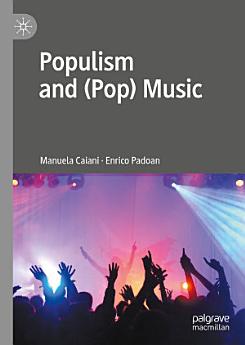
This book launches a proposal: to fill some empirical and theoretical gaps that presently exists in populism studies by looking at the potential nexus between populist phenomena and popular culture. It provides a detailed account of the multiple mechanisms linking the production of pop music (as a form of popular culture) to the rise and reproduction of populism. The authors use a case study of Italy to interrogate these mechanisms because of its long-lasting populist phenomena and the contextual importance of pop music. The book’s mixed-methods strategy assesses three different aspects of the potential relationship between pop music and populist politics: the cultural opportunity structure generated and reproduced by the production of music, the strategies political actors use to exploit music for political purposes, and, crucially, the ways fans and ordinary citizens understand the relationship between pop music and politics, and subsequent debates and identities. Moving from the case study, the book in its last chapter offers a more general understanding of the associations between pop music and populism.
This book launches a proposal: to fill some empirical and theoretical gaps that presently exists in populism studies by looking at the potential nexus between populist phenomena and popular culture. It provides a detailed account of the multiple mechanisms linking the production of pop music (as ...
অধিক বিচাৰি পাওক
লিখকৰ বিষয়ে
Manuela Caiani is Associate Professor in Political Science at the Scuola Normale Superiore of Pisa, Italy.
Enrico Padoan is a postdoctoral researcher at the Department of Social, Political and Cognitive Sciences (DISPOC) of the University of Siena, Italy.
Enrico Padoan is a postdoctoral researcher at the Department of Social, Political and Cognitive Sciences (DISPOC) of the University of Siena, Italy.
Manuela Caiani is Associate Professor in Political Science at the Scuola Normale Superiore of Pisa, Italy.
Enrico Padoan is a postdoctoral researcher at the Department of Social, Political and Cognitive Sciences (DISPOC) of the University of Siena, Italy.
এই ইবুকখনক মূল্যাংকন কৰক
আমাক আপোনাৰ মতামত জনাওক।
পঢ়াৰ নির্দেশাৱলী
স্মাৰ্টফ’ন আৰু টেবলেট
Android আৰু iPad/iPhoneৰ বাবে Google Play Books এপটো ইনষ্টল কৰক। ই স্বয়ংক্রিয়ভাৱে আপোনাৰ একাউণ্টৰ সৈতে ছিংক হয় আৰু আপুনি য'তে নাথাকক ত'তেই কোনো অডিঅ'বুক অনলাইন বা অফলাইনত শুনিবলৈ সুবিধা দিয়ে।
লেপটপ আৰু কম্পিউটাৰ
আপুনি কম্পিউটাৰৰ ৱেব ব্রাউজাৰ ব্যৱহাৰ কৰি Google Playত কিনা অডিঅ'বুকসমূহ শুনিব পাৰে।
ই-ৰীডাৰ আৰু অন্য ডিভাইচ
Kobo eReadersৰ দৰে ই-চিয়াঁহীৰ ডিভাইচসমূহত পঢ়িবলৈ, আপুনি এটা ফাইল ডাউনল’ড কৰি সেইটো আপোনাৰ ডিভাইচলৈ স্থানান্তৰণ কৰিব লাগিব। সমৰ্থিত ই-ৰিডাৰলৈ ফাইলটো কেনেকৈ স্থানান্তৰ কৰিব জানিবলৈ সহায় কেন্দ্ৰত থকা সবিশেষ নিৰ্দেশাৱলী চাওক।