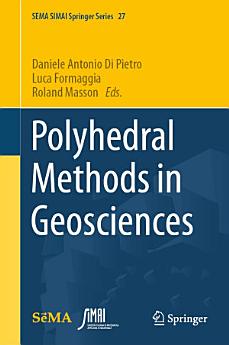
Polyhedral Methods in Geosciences

ยท ยท
ยท Springer Nature
เช‡-เชชเซเชธเซเชคเช•
332
เชชเซ‡เชœ

เช† เช‡-เชชเซเชธเซเชคเช• เชตเชฟเชถเซ‡

The last few years have witnessed a surge in the development and usage of discretization methods supporting general meshes in geoscience applications. The need for general polyhedral meshes in this context can arise in several situations, including the modelling of petroleum reservoirs and basins, CO2 and nuclear storage sites, etc. In the above and other situations, classical discretization methods are either not viable or require ad hoc modifications that add to the implementation complexity. Discretization methods able to operate on polyhedral meshes and possibly delivering arbitrary-order approximations constitute in this context a veritable technological jump. The goal of this monograph is to establish a state-of-the-art reference on polyhedral methods for geoscience applications by gathering contributions from top-level research groups working on this topic. This book is addressed to graduate students and researchers wishing to deepen their knowledge ofadvanced numerical methods with a focus on geoscience applications, as well as practitioners of the field.


The last few years have witnessed a surge in the development and usage of discretization methods supporting general meshes in geoscience applications. The need for general polyhedral meshes in this context can arise in several situations, including the modelling of petroleum reservoirs and basins...

เชตเชงเซ เชถเซ‹เชงเซ‹

เชฒเซ‡เช–เช• เชตเชฟเชถเซ‡

Daniele Di Pietro has been full professor since 2012 and is presently Director of Institut Montpelliรฉrain Alexander Grothendieck at University of Montpellier (France). He is author of 3 research monographs published by Springer and of over 80 scientific papers published in refereed international journals or conference proceedings. He currently serves as associate editor for Numerical Algorithms (Springer). His research fields include the development and analysis of advanced numerical methods for partial differential equations, with applications to fluid and solid mechanics and porous media. Over his career, he has supervised 10 Ph.D. students and 6 post-doctoral fellows.

Luca Formaggia is Full Professor of Numerical Analysis since 2006 at Politecnico di Milano, Italy. He is author of more than 100 publications and Editor of 5 scientific Books published by Springer-Nature and Birkhauser. His scientific work addresses the study of numerical methods for partial differential equations, scientific computing, computational fluid dynamics with applications to computational geosciences, biomedicine and industrial problems. Currently, he is the President of the Italian Society of Applied and Industrial Mathematics and was the Head of the MOX Laboratory of Politecnico di Milano from 2012 to 2016. Over his career, he has supervised around 40 among PhD students and post-docs. He is the co-Char of the 19th edition of the SIAM Conference on Mathematical and Computational Issues in the Geosciences.

Roland Masson is full professor of Mathematics at the University Cรดte dโ€™Azur since 2011, member of the Jean-Alexandre Dieudonnรฉ department of Mathematics and of the Inria team Coffee. He was previously head of the Applied Mathematics department of the Institut Franรงais du Pรฉtrole (IFP) from 2000 to 2011. He received his PhD in Mathematics from Sorbonne University in 1999 and his Habilitation from Paris East University in 2006. He is an expert in numerical methods and scientific computing for subsurface flow and transport problems.

Daniele Di Pietro has been full professor since 2012 and is presently Director of Institut Montpelliรฉrain Alexander Grothendieck at University of Montpellier (France). He is author of 3 research monographs published by Springer and of over 80 scientific papers published in refereed international ...

เช† เช‡-เชชเซเชธเซเชคเช•เชจเซ‡ เชฐเซ‡เชŸเชฟเช‚เช— เช†เชชเซ‹

เชคเชฎเซ‡ เชถเซเช‚ เชตเชฟเชšเชพเชฐเซ‹ เช›เซ‹ เช…เชฎเชจเซ‡ เชœเชฃเชพเชตเซ‹.

เชฎเชพเชนเชฟเชคเซ€ เชตเชพเช‚เชšเชตเซ€

เชธเซเชฎเชพเชฐเซเชŸเชซเซ‹เชจ เช…เชจเซ‡ เชŸเซ…เชฌเซเชฒเซ‡เชŸ
Android เช…เชจเซ‡ iPad/iPhone เชฎเชพเชŸเซ‡ Google Play Books เชเชช เช‡เชจเซเชธเซเชŸเซ‰เชฒ เช•เชฐเซ‹. เชคเซ‡ เชคเชฎเชพเชฐเชพ เชเช•เชพเช‰เชจเซเชŸ เชธเชพเชฅเซ‡ เช‘เชŸเซ‹เชฎเซ…เชŸเชฟเช• เชฐเซ€เชคเซ‡ เชธเชฟเช‚เช• เชฅเชพเชฏ เช›เซ‡ เช…เชจเซ‡ เชคเชฎเชจเซ‡ เชœเซเชฏเชพเช‚ เชชเชฃ เชนเซ‹ เชคเซเชฏเชพเช‚ เชคเชฎเชจเซ‡ เช‘เชจเชฒเชพเช‡เชจ เช…เชฅเชตเชพ เช‘เชซเชฒเชพเช‡เชจ เชตเชพเช‚เชšเชตเชพเชจเซ€ เชฎเช‚เชœเซ‚เชฐเซ€ เช†เชชเซ‡ เช›เซ‡.
เชฒเซ…เชชเชŸเซ‰เชช เช…เชจเซ‡ เช•เชฎเซเชชเซเชฏเซเชŸเชฐ
Google Play เชชเชฐ เช–เชฐเซ€เชฆเซ‡เชฒ เช‘เชกเชฟเช“เชฌเซเช•เชจเซ‡ เชคเชฎเซ‡ เชคเชฎเชพเชฐเชพ เช•เชฎเซเชชเซเชฏเซเชŸเชฐเชจเชพ เชตเซ‡เชฌ เชฌเซเชฐเชพเช‰เชเชฐเชจเซ‹ เช‰เชชเชฏเซ‹เช— เช•เชฐเซ€เชจเซ‡ เชธเชพเช‚เชญเชณเซ€ เชถเช•เซ‹ เช›เซ‹.
eReaders เช…เชจเซ‡ เช…เชจเซเชฏ เชกเชฟเชตเชพเช‡เชธ
Kobo เช‡-เชฐเซ€เชกเชฐ เชœเซ‡เชตเชพ เช‡-เช‡เช‚เช• เชกเชฟเชตเชพเช‡เชธ เชชเชฐ เชตเชพเช‚เชšเชตเชพ เชฎเชพเชŸเซ‡, เชคเชฎเชพเชฐเซ‡ เชซเชพเช‡เชฒเชจเซ‡ เชกเชพเช‰เชจเชฒเซ‹เชก เช•เชฐเซ€เชจเซ‡ เชคเชฎเชพเชฐเชพ เชกเชฟเชตเชพเช‡เชธ เชชเชฐ เชŸเซเชฐเชพเชจเซเชธเชซเชฐ เช•เชฐเชตเชพเชจเซ€ เชœเชฐเซ‚เชฐ เชชเชกเชถเซ‡. เชธเชชเซ‹เชฐเซเชŸเซ‡เชก เช‡-เชฐเซ€เชกเชฐ เชชเชฐ เชซเชพเช‡เชฒเซ‹ เชŸเซเชฐเชพเชจเซเชธเซเชซเชฐ เช•เชฐเชตเชพ เชฎเชพเชŸเซ‡ เชธเชนเชพเชฏเชคเชพ เช•เซ‡เชจเซเชฆเซเชฐเชจเซ€ เชตเชฟเช—เชคเชตเชพเชฐ เชธเซ‚เชšเชจเชพเช“ เช…เชจเซเชธเชฐเซ‹.