આ ઇ-પુસ્તક વિશે
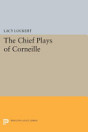
This seventeenth-century drama in five acts was inspired by the tale of Saint Polyeuctus (rendered as 'Polyeucte' in French), a Roman convert to the faith who was martyred in 259 A.D. However, although an imaginatively retold version of the story of St. Polyeuctus comprises some of the plot of the play, Polyeucte also relates metaphorically to the religious debates of the seventeenth century. A must-read for fans of classic drama.
This seventeenth-century drama in five acts was inspired by the tale of Saint Polyeuctus (rendered as 'Polyeucte' in French), a Roman convert to the faith who was martyred in 259 A.D. However, although an imaginatively retold version of the story of St. Polyeuctus comprises some of the plot of th...
વધુ શોધો
લેખક વિશે
Corneille is a part of the greatest period of French drama. His artistic model and theory of the drama were to be followed by successive generations of dramatists, including Racine. His plays deal with noble characters in closely defined situations of high moral intensity. After modest success as a writer of complex, baroque comedies, Corneille achieved fame with Le Cid (1636--37), adapted from Guillen de Castro's three-day comedy Las Moceddes del Cid. It vividly represents the dominant theme of his tragedies: the inner struggle between duty and passion. Corneille went on to dominate the French theater of his day with plays that reflect the changing relationships between the aristocracy and the new absolutist state. Some of Corneille's other major tragedies include Horace (1640), Cinna (1640), and Polyeuctus (1643). In his shaping of language and form to his dramatic purposes, Corneille had a great effect on the development of French literature; more specifically, it can be said that he gave form and aim to French neoclassicism.
Corneille is a part of the greatest period of French drama. His artistic model and theory of the drama were to be followed by successive generations of dramatists, including Racine. His plays deal with noble characters in closely defined situations of high moral intensity. After modest success as...
આ ઇ-પુસ્તકને રેટિંગ આપો
તમે શું વિચારો છો અમને જણાવો.
માહિતી વાંચવી
સ્માર્ટફોન અને ટૅબ્લેટ
Android અને iPad/iPhone માટે Google Play Books ઍપ ઇન્સ્ટૉલ કરો. તે તમારા એકાઉન્ટ સાથે ઑટોમૅટિક રીતે સિંક થાય છે અને તમને જ્યાં પણ હો ત્યાં તમને ઑનલાઇન અથવા ઑફલાઇન વાંચવાની મંજૂરી આપે છે.
લૅપટૉપ અને કમ્પ્યુટર
Google Play પર ખરીદેલ ઑડિઓબુકને તમે તમારા કમ્પ્યુટરના વેબ બ્રાઉઝરનો ઉપયોગ કરીને સાંભળી શકો છો.
eReaders અને અન્ય ડિવાઇસ
Kobo ઇ-રીડર જેવા ઇ-ઇંક ડિવાઇસ પર વાંચવા માટે, તમારે ફાઇલને ડાઉનલોડ કરીને તમારા ડિવાઇસ પર ટ્રાન્સફર કરવાની જરૂર પડશે. સપોર્ટેડ ઇ-રીડર પર ફાઇલો ટ્રાન્સ્ફર કરવા માટે સહાયતા કેન્દ્રની વિગતવાર સૂચનાઓ અનુસરો.