អំពីសៀវភៅអេឡិចត្រូនិកនេះ
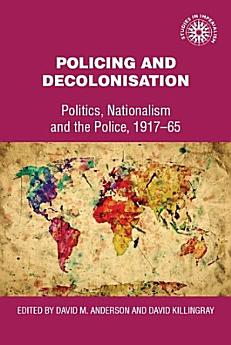
As imperial political authority was increasingly challenged, sometimes with violence, locally recruited police forces became the front-line guardians of alien law and order. This book presents a study that looks at the problems facing the imperial police forces during the acute political dislocations following decolonization in the British Empire. It examines the role and functions of the colonial police forces during the process of British decolonisation and the transfer of powers in eight colonial territories. The book emphasises that the British adopted a 'colonial' solution to their problems in policing insurgency in Ireland. The book illustrates how the recruitment of Turkish Cypriot policemen to maintain public order against Greek Cypriot insurgents worsened the political situation confronting the British and ultimately compromised the constitutional settlement for the transfer powers. In Cyprus and Malaya, the origins and ethnic backgrounds of serving policemen determined the effectiveness which enabled them to carry out their duties. In 1914, the Royal Irish Constabulary (RIC) of Ireland was the instrument of a government committed to 'Home Rule' or national autonomy for Ireland. As an agency of state coercion and intelligence-gathering, the police were vital to Britain's attempts to hold on to power in India, especially against the Indian National Congress during the agitational movements of the 1920s and 1930s. In April 1926, the Palestine police force was formally established. The shape of a rapidly rising rate of urban crime laid the major challenge confronting the Kenya Police.
As imperial political authority was increasingly challenged, sometimes with violence, locally recruited police forces became the front-line guardians of alien law and order. This book presents a study that looks at the problems facing the imperial police forces during the acute political dislocat...
ស្វែងរកច្រើនទៀត
វាយតម្លៃសៀវភៅអេឡិចត្រូនិកនេះ
ប្រាប់យើងអំពីការយល់ឃើញរបស់អ្នក។
អានព័ត៌មាន
ទូរសព្ទឆ្លាតវៃ និងថេប្លេត
ដំឡើងកម្មវិធី Google Play Books សម្រាប់ Android និង iPad/iPhone ។ វាធ្វើសមកាលកម្មដោយស្វ័យប្រវត្តិជាមួយគណនីរបស់អ្នក និងអនុញ្ញាតឱ្យអ្នកអានពេលមានអ៊ីនធឺណិត ឬគ្មានអ៊ីនធឺណិតនៅគ្រប់ទីកន្លែង។
កុំព្យូទ័រយួរដៃ និងកុំព្យូទ័រ
អ្នកអាចស្ដាប់សៀវភៅជាសំឡេងដែលបានទិញនៅក្នុង Google Play ដោយប្រើកម្មវិធីរុករកតាមអ៊ីនធឺណិតក្នុងកុំព្យូទ័ររបស់អ្នក។
eReaders និងឧបករណ៍ផ្សេងទៀត
ដើម្បីអាននៅលើឧបករណ៍ e-ink ដូចជាឧបករណ៍អានសៀវភៅអេឡិចត្រូនិក Kobo អ្នកនឹងត្រូវទាញយកឯកសារ ហើយផ្ទេរវាទៅឧបករណ៍របស់អ្នក។ សូមអនុវត្តតាមការណែនាំលម្អិតរបស់មជ្ឈមណ្ឌលជំនួយ ដើម្បីផ្ទេរឯកសារទៅឧបករណ៍អានសៀវភៅអេឡិចត្រូនិកដែលស្គាល់។