આ ઇ-પુસ્તક વિશે
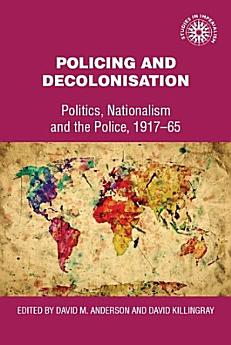
As imperial political authority was increasingly challenged, sometimes with violence, locally recruited police forces became the front-line guardians of alien law and order. This book presents a study that looks at the problems facing the imperial police forces during the acute political dislocations following decolonization in the British Empire. It examines the role and functions of the colonial police forces during the process of British decolonisation and the transfer of powers in eight colonial territories. The book emphasises that the British adopted a 'colonial' solution to their problems in policing insurgency in Ireland. The book illustrates how the recruitment of Turkish Cypriot policemen to maintain public order against Greek Cypriot insurgents worsened the political situation confronting the British and ultimately compromised the constitutional settlement for the transfer powers. In Cyprus and Malaya, the origins and ethnic backgrounds of serving policemen determined the effectiveness which enabled them to carry out their duties. In 1914, the Royal Irish Constabulary (RIC) of Ireland was the instrument of a government committed to 'Home Rule' or national autonomy for Ireland. As an agency of state coercion and intelligence-gathering, the police were vital to Britain's attempts to hold on to power in India, especially against the Indian National Congress during the agitational movements of the 1920s and 1930s. In April 1926, the Palestine police force was formally established. The shape of a rapidly rising rate of urban crime laid the major challenge confronting the Kenya Police.
As imperial political authority was increasingly challenged, sometimes with violence, locally recruited police forces became the front-line guardians of alien law and order. This book presents a study that looks at the problems facing the imperial police forces during the acute political dislocat...
વધુ શોધો
આ ઇ-પુસ્તકને રેટિંગ આપો
તમે શું વિચારો છો અમને જણાવો.
માહિતી વાંચવી
સ્માર્ટફોન અને ટૅબ્લેટ
Android અને iPad/iPhone માટે Google Play Books ઍપ ઇન્સ્ટૉલ કરો. તે તમારા એકાઉન્ટ સાથે ઑટોમૅટિક રીતે સિંક થાય છે અને તમને જ્યાં પણ હો ત્યાં તમને ઑનલાઇન અથવા ઑફલાઇન વાંચવાની મંજૂરી આપે છે.
લૅપટૉપ અને કમ્પ્યુટર
Google Play પર ખરીદેલ ઑડિઓબુકને તમે તમારા કમ્પ્યુટરના વેબ બ્રાઉઝરનો ઉપયોગ કરીને સાંભળી શકો છો.
eReaders અને અન્ય ડિવાઇસ
Kobo ઇ-રીડર જેવા ઇ-ઇંક ડિવાઇસ પર વાંચવા માટે, તમારે ફાઇલને ડાઉનલોડ કરીને તમારા ડિવાઇસ પર ટ્રાન્સફર કરવાની જરૂર પડશે. સપોર્ટેડ ઇ-રીડર પર ફાઇલો ટ્રાન્સ્ફર કરવા માટે સહાયતા કેન્દ્રની વિગતવાર સૂચનાઓ અનુસરો.