Poisson Structures

Β· Β·
Β· Springer Science & Business Media
αžŸαŸ€αžœαž—αŸ…β€‹αž’αŸαž‘αž·αž…αžαŸ’αžšαžΌαž“αž·αž…
464
αž‘αŸ†αž–αŸαžš

αž’αŸ†αž–αžΈαžŸαŸ€αžœαž—αŸ…β€‹αž’αŸαž‘αž·αž…αžαŸ’αžšαžΌαž“αž·αž€αž“αŸαŸ‡

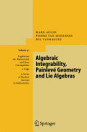
Poisson structures appear in a large variety of contexts, ranging from string theory, classical/quantum mechanics and differential geometry to abstract algebra, algebraic geometry and representation theory. In each one of these contexts, it turns out that the Poisson structure is not a theoretical artifact, but a key element which, unsolicited, comes along with the problem that is investigated, and its delicate properties are decisive for the solution to the problem in nearly all cases. Poisson Structures is the first book that offers a comprehensive introduction to the theory, as well as an overview of the different aspects of Poisson structures. The first part covers solid foundations, the central part consists of a detailed exposition of the different known types of Poisson structures and of the (usually mathematical) contexts in which they appear, and the final part is devoted to the two main applications of Poisson structures (integrable systems and deformation quantization). The clear structure of the book makes it adequate for readers who come across Poisson structures in their research or for graduate students or advanced researchers who are interested in an introduction to the many facets and applications of Poisson structures.​
Poisson structures appear in a large variety of contexts, ranging from string theory, classical/quantum mechanics and differential geometry to abstract algebra, algebraic geometry and representation theory. In each one of these contexts, it turns out that the Poisson structure is not a theoretica...

αžŸαŸ’αžœαŸ‚αž„αžšαž€β€‹αž…αŸ’αžšαžΎαž“αž‘αŸ€αž

αž’αŸ†αž–αžΈβ€‹αž’αŸ’αž“αž€αž“αž·αž–αž“αŸ’αž’

C. Laurent-Gengoux research focus lies on Poisson geometry, Lie-groups and integrable systems. He is the author of 14 research articles. Furthermore, he is committed to teaching and set up several mathematics projects with local high schools. In 2002 he earned his doctorate in mathematics with a dissertation on " Quelques problΓ¨mes analytiques et gΓ©omΓ©triques sur les algΓ¨bres et superalgΓ¨bres de champs et superchamps de vecteurs”.

A. Pichereau earned her doctorate in mathematics with a dissertation on β€œPoisson (co)homology and isolated singularities in low dimensions, with an application in the theory of deformations” under the supervision of P. Vanheacke in 2006. She has since published four journal articles on Poisson structures and contributed to the Proceedings of "Algebraic and Geometric Deformation Spaces”.

P. Vanheacke’s research focus lies on integrable systems, Abelian varieties, Poisson algebra/geometry and deformation theory. In 1991 he earned his doctorate in mathematics with a dissertation on β€œExplicit techniques for studying two-dimensional integrable systems” and has published numerous research articles since.

C. Laurent-Gengoux research focus lies on Poisson geometry, Lie-groups and integrable systems. He is the author of 14 research articles. Furthermore, he is committed to teaching and set up several mathematics projects with local high schools. In 2002 he earned his doctorate in mathematics with a ...

αžœαžΆαž™αžαž˜αŸ’αž›αŸƒαžŸαŸ€αžœαž—αŸ…β€‹αž’αŸαž‘αž·αž…αžαŸ’αžšαžΌαž“αž·αž€αž“αŸαŸ‡

αž”αŸ’αžšαžΆαž”αŸ‹αž™αžΎαž„αž’αŸ†αž–αžΈαž€αžΆαžšαž™αž›αŸ‹αžƒαžΎαž‰αžšαž”αžŸαŸ‹αž’αŸ’αž“αž€αŸ”

αž’αžΆαž“β€‹αž–αŸαžαŸŒαž˜αžΆαž“

αž‘αžΌαžšαžŸαž–αŸ’αž‘αž†αŸ’αž›αžΆαžαžœαŸƒ αž“αž·αž„β€‹αžαŸαž”αŸ’αž›αŸαž
αžŠαŸ†αž‘αžΎαž„αž€αž˜αŸ’αž˜αžœαž·αž’αžΈ Google Play Books αžŸαž˜αŸ’αžšαžΆαž”αŸ‹ Android αž“αž·αž„ iPad/iPhone αŸ” αžœαžΆβ€‹αž’αŸ’αžœαžΎαžŸαž˜αž€αžΆαž›αž€αž˜αŸ’αž˜β€‹αžŠαŸ„αž™αžŸαŸ’αžœαŸαž™αž”αŸ’αžšαžœαžαŸ’αžαž·αž‡αžΆαž˜αž½αž™β€‹αž‚αžŽαž“αžΈβ€‹αžšαž”αžŸαŸ‹αž’αŸ’αž“αž€β€‹ αž“αž·αž„β€‹αž’αž“αž»αž‰αŸ’αž‰αžΆαžαž±αŸ’αž™β€‹αž’αŸ’αž“αž€αž’αžΆαž“αž–αŸαž›β€‹αž˜αžΆαž“αž’αŸŠαžΈαž“αž’αžΊαžŽαž·αž αž¬αž‚αŸ’αž˜αžΆαž“β€‹αž’αŸŠαžΈαž“αž’αžΊαžŽαž·αžβ€‹αž“αŸ…αž‚αŸ’αžšαž”αŸ‹αž‘αžΈαž€αž“αŸ’αž›αŸ‚αž„αŸ”
αž€αž»αŸ†αž–αŸ’αž™αžΌαž‘αŸαžšβ€‹αž™αž½αžšαžŠαŸƒ αž“αž·αž„αž€αž»αŸ†αž–αŸ’αž™αžΌαž‘αŸαžš
αž’αŸ’αž“αž€αž’αžΆαž…αžŸαŸ’αžŠαžΆαž”αŸ‹αžŸαŸ€αžœαž—αŸ…αž‡αžΆαžŸαŸ†αž‘αŸαž„αžŠαŸ‚αž›αž”αžΆαž“αž‘αž·αž‰αž“αŸ…αž€αŸ’αž“αž»αž„ Google Play αžŠαŸ„αž™αž”αŸ’αžšαžΎαž€αž˜αŸ’αž˜αžœαž·αž’αžΈαžšαž»αž€αžšαž€αžαžΆαž˜αž’αŸŠαžΈαž“αž’αžΊαžŽαž·αžαž€αŸ’αž“αž»αž„αž€αž»αŸ†αž–αŸ’αž™αžΌαž‘αŸαžšαžšαž”αžŸαŸ‹αž’αŸ’αž“αž€αŸ”
eReaders αž“αž·αž„β€‹αž§αž”αž€αžšαžŽαŸβ€‹αž•αŸ’αžŸαŸαž„β€‹αž‘αŸ€αž
αžŠαžΎαž˜αŸ’αž”αžΈαž’αžΆαž“αž“αŸ…αž›αžΎβ€‹αž§αž”αž€αžšαžŽαŸ e-ink αžŠαžΌαž…αž‡αžΆβ€‹αž§αž”αž€αžšαžŽαŸαž’αžΆαž“β€‹αžŸαŸ€αžœαž—αŸ…αž’αŸαž‘αž·αž…αžαŸ’αžšαžΌαž“αž·αž€ Kobo αž’αŸ’αž“αž€αž“αžΉαž„αžαŸ’αžšαžΌαžœβ€‹αž‘αžΆαž‰αž™αž€β€‹αž―αž€αžŸαžΆαžš αž αžΎαž™β€‹αž•αŸ’αž‘αŸαžšαžœαžΆαž‘αŸ…β€‹αž§αž”αž€αžšαžŽαŸβ€‹αžšαž”αžŸαŸ‹αž’αŸ’αž“αž€αŸ” αžŸαžΌαž˜αž’αž“αž»αžœαžαŸ’αžαžαžΆαž˜β€‹αž€αžΆαžšαžŽαŸ‚αž“αžΆαŸ†αž›αž˜αŸ’αž’αž·αžαžšαž”αžŸαŸ‹αž˜αž‡αŸ’αžˆαž˜αžŽαŸ’αžŒαž›αž‡αŸ†αž“αž½αž™ αžŠαžΎαž˜αŸ’αž”αžΈαž•αŸ’αž‘αŸαžšαž―αž€αžŸαžΆαžšβ€‹αž‘αŸ…αž§αž”αž€αžšαžŽαŸαž’αžΆαž“αžŸαŸ€αžœαž—αŸ…β€‹αž’αŸαž‘αž·αž…αžαŸ’αžšαžΌαž“αž·αž€αžŠαŸ‚αž›αžŸαŸ’αž‚αžΆαž›αŸ‹αŸ”