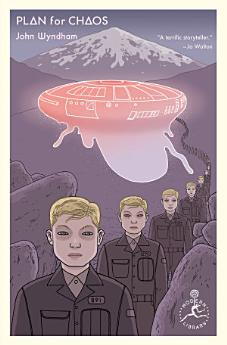
Plan for Chaos
2022 ඇසළ · Modern Library විසින් විකුණයි
star
සමාලෝචන 3ක්
ඉ-පොත
336
පිටු
මෙවලම්
info
family_home
සුදුසුකම් ලබයි
info
මෙම ඉ-පොත ගැන
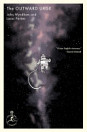
A wild ride from one of the twentieth century’s most brilliant—and neglected—science fiction and horror writers, whom Stephen King called “the best writer of science fiction that England has ever produced.”
What if the defeated Nazis had a plan to clone their master race and cause nuclear war?
Johnny Farthing is your average photojournalist until his fiancée goes missing and women who look suspiciously, uncannily similar to her start turning up dead. As Johnny descends a rabbit hole of doppelgängers, mysterious American senators, and eerie bureaucracies, it becomes clear that these peculiar similarities are part of far bigger and deadlier plans—and that the fate of the world just might be at stake.
What if the defeated Nazis had a plan to clone their master race and cause nuclear war?
Johnny Farthing is your average photojournalist until his fiancée goes missing and women who look suspiciously, uncannily similar to her start turning up dead. As Johnny descends a rabbit hole of doppelgängers, mysterious American senators, and eerie bureaucracies, it becomes clear that these peculiar similarities are part of far bigger and deadlier plans—and that the fate of the world just might be at stake.
A wild ride from one of the twentieth century’s most brilliant—and neglected—science fiction and horror writers, whom Stephen King called “the best writer of science fiction that England has ever produced.”
What if the defeated Nazis had a plan to clone their master race and cause nuclear war?
...
තව සොයා ගන්න
ඇගයීම් සහ සමාලෝචන
සමාලෝචන 3ක්
කර්තෘ පිළිබඳ
John Wyndham (1903–1969) is considered a pioneer of science fiction and horror, though he preferred to think of himself as a “logical fantasist.” He began writing science fiction and detective stories in the 1920s, but shifted to science fiction post-WWII, focusing on themes of disaster, invasion, and first contact. His best-known works include The Day of the Triffids (1951) and The Midwich Cuckoos (1957). A pacifist and socialist, Wyndham was alive to the impact of sexism, classism, and prejudice and his novels reflect his liberal politics.
John Wyndham (1903–1969) is considered a pioneer of science fiction and horror, though he preferred to think of himself as a “logical fantasist.” He began writing science fiction and detective stories in the 1920s, but shifted to science fiction post-WWII, focusing on themes of disaster, invasion...
මෙම ඉ-පොත අගයන්න
ඔබ සිතන දෙය අපට කියන්න.
කියවීමේ තොරතුරු
ස්මාර්ට් දුරකථන සහ ටැබ්ලට්
Android සහ iPad/iPhone සඳහා Google Play පොත් යෙදුම ස්ථාපනය කරන්න. එය ඔබේ ගිණුම සමඟ ස්වයංක්රීයව සමමුහුර්ත කරන අතර ඔබට ඕනෑම තැනක සිට සබැඳිව හෝ නොබැඳිව කියවීමට ඉඩ සලසයි.
ලැප්ටොප් සහ පරිගණක
ඔබට ඔබේ පරිගණකයේ වෙබ් බ්රව්සරය භාවිතයෙන් Google Play මත මිලදී ගත් ශ්රව්යපොත්වලට සවන් දිය හැක.
eReaders සහ වෙනත් උපාංග
Kobo eReaders වැනි e-ink උපාංග පිළිබඳ කියවීමට, ඔබ විසින් ගොනුවක් බාගෙන ඔබේ උපාංගයට එය මාරු කිරීම සිදු කළ යුතු වේ. ආධාරකරු ඉ-කියවනයට ගොනු මාරු කිරීමට විස්තරාත්මක උදවු මධ්යස්ථාන උපදෙස් අනුගමනය කරන්න.