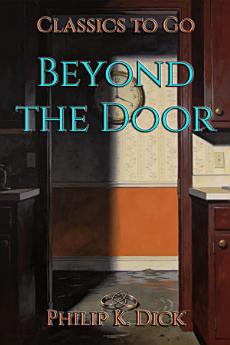
Beyond the Door: Restored Classics to Go Edition
About this ebook
Discover more
About the author
Philip K. Dick was an American writer whose life was as restless and unsettling as the worlds he imagined. Born in 1928 and shaped by early loss, economic uncertainty, and a lifelong sense that reality might be fragile or deceptive, he became one of the most original voices in twentieth-century science fiction. Over the course of a prolific career, he produced a remarkable body of novels and stories that challenged readers to question what is real, who controls perception, and how ordinary people survive in systems of power that seem to bend the truth. His work often blends paranoia, technology, religion, identity, and altered states of consciousness, creating stories that feel both futuristic and deeply intimate. Though he struggled for much of his life with financial hardship and critical misunderstanding, his reputation grew dramatically after his death, and he is now recognized as a visionary whose ideas have influenced literature, film, television, and popular culture worldwide. What makes him so relevant today is his uncanny ability to anticipate modern anxieties about surveillance, artificial intelligence, manipulated information, and the instability of personal identity. Readers continue to turn to him not only for suspense and imagination, but for his compassionate attention to vulnerable people trying to make sense of a confusing world. Philip K. Dick's legacy endures because he wrote science fiction that speaks directly to the human condition, and he will especially appeal to readers who enjoy mind-bending stories, philosophical questions, and fiction that lingers long after the final page.