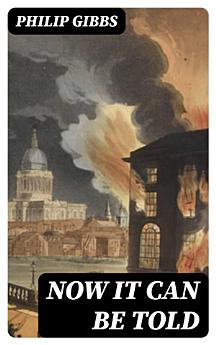
Now It Can Be Told
Philip Gibbs
Sep 2022 · DigiCat
Ebook
456
Pages
family_home
Eligible
info
About this ebook
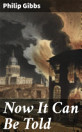
In "Now It Can Be Told," Philip Gibbs presents a compelling narrative that melds personal memoir with a vivid historical account of World War I. The book is characterized by its evocative prose and meticulous attention to detail, drawing readers into the trenches and fog of battle with an immediacy that renders the horrors of war both palpable and intimate. Gibbs utilizes a reflective literary style, merging the personal with the political, offering a unique first-hand perspective that critiques the ramifications of warfare on humanity and society at large, framed by the experiences of soldiers and civilians alike. Philip Gibbs, a British war correspondent and novelist, crafted this work while grappling with his own experiences during the conflict. His extensive background in journalism allowed him to bring authenticity and immediacy to the text, enriched by his empathetic understanding of the human condition. Gibbs's literary career was marked by a deep commitment to capturing the zeitgeist of his time, and this book reflects his desire to shed light on the complexities of wartime narratives and their lasting impacts. "Now It Can Be Told" is highly recommended for readers interested in historical narratives that go beyond mere accounts of events. Gibbs's exploration of the emotional and psychological landscapes of war offers a poignant reminder of the human cost of conflict. This book is essential for anyone seeking to understand the enduring legacy of World War I on modern consciousness.
In "Now It Can Be Told," Philip Gibbs presents a compelling narrative that melds personal memoir with a vivid historical account of World War I. The book is characterized by its evocative prose and meticulous attention to detail, drawing readers into the trenches and fog of battle with an immedia...
Discover more
About the author
Sir Philip Armand Hamilton Gibbs (1877–1962) was a prolific British journalist and author, best known for his dispatches from the front lines during World War I and his insightful reflections on the impacts of war in works such as 'Now It Can Be Told' (1920). Gibbs served as one of the five official British reporters during the Great War. His work was marked by a detail-oriented and humanistic approach, which offered a penetrating gaze into the trench warfare and the social consequences of the world's first total war. In 'Now It Can Be Told,' Gibbs unveiled the truth about the conditions and experiences of soldiers, aspects that were previously censored during wartime. The book is considered an important historical document, providing a candid portrayal of the conflict and its complexities. Gibbs's literary style combined factual reporting with narrative storytelling, which allowed a broad audience to understand the harsh realities of war. His contributions to the field of journalism were significant, as he helped shape the role of the war correspondent and set high standards for truthfulness and integrity in the reporting of conflict. Gibbs's body of work extends beyond wartime journalism and includes novels, short stories, and essays that touch upon various themes of human experience, capturing the shifts in societal attitudes in the post-war period.
Sir Philip Armand Hamilton Gibbs (1877–1962) was a prolific British journalist and author, best known for his dispatches from the front lines during World War I and his insightful reflections on the impacts of war in works such as 'Now It Can Be Told' (1920). Gibbs served as one of the five offic...
Rate this ebook
Tell us what you think.
Reading information
Smartphones and tablets
Install the Google Play Books app for Android and iPad/iPhone. It syncs automatically with your account and allows you to read online or offline wherever you are.
Laptops and computers
You can listen to audiobooks purchased on Google Play using your computer's web browser.
eReaders and other devices
To read on e-ink devices like Kobo eReaders, you'll need to download a file and transfer it to your device. Follow the detailed Help Center instructions to transfer the files to supported eReaders.