The Sensitive Plant: Restored Classics to Go Edition
About this ebook
About the author
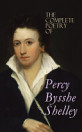
Percy Bysshe Shelley (1792-1822) was one of the major English Romantic poets of the early 19th century. He was born in Sussex, England, and was the eldest son of a wealthy baronet. Shelley was educated at Eton College and later at University College, Oxford, but he was expelled from Oxford in 1811 for his radical views on religion and politics. Shelley's poetry is known for its radicalism and its focus on themes of social justice, liberty, and individualism. He was a prolific writer and published a number of important works during his relatively short life, including "Prometheus Unbound," "Adonais," and "Ode to the West Wind." Shelley was also known for his personal life, which was often tumultuous and scandalous. He was married to the writer Mary Wollstonecraft Shelley, and the two had a close relationship with the poet Lord Byron. Shelley died in a boating accident off the coast of Italy in 1822, at the age of 29. Despite his short life, Shelley's work had a profound impact on English literature, and he is now widely regarded as one of the greatest poets of the Romantic era. His poetry continues to inspire readers and writers around the world, and his ideas about individualism, social justice, and political reform remain relevant today.