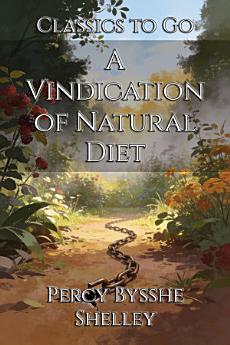
A Vindication of Natural Diet: Restored Classics to Go Edition
About this ebook
Discover more
About the author
Percy Bysshe Shelley was one of the great Romantic poets of the early nineteenth century, born in 1792 into an aristocratic English family and educated at Eton and Oxford, where his rebellious temperament quickly set him at odds with authority. He left university without a degree, lived much of his life in self-imposed exile, and moved through a series of restless friendships, political controversies, and personal tragedies before his death in 1822 at just twenty-nine. Yet in that short life he produced some of the most daring and influential poetry in the English language, along with incisive prose on politics, ethics, and reform. His writing is known for its lyrical intensity, visionary imagination, and fierce commitment to liberty, justice, and human possibility. He wrote passionately about the abuse of power, the need for social change, the dignity of the individual, and the hope that imagination and compassion could transform society. His interest in natural living and reform also reflects a broader concern with how human beings might live more ethically and harmoniously. Shelley remains deeply relevant today because his work speaks to readers living amid political unrest, environmental anxiety, and debates about freedom, responsibility, and conscience. He is significant not only as a master poet but as a thinker who believed art could challenge injustice and enlarge the moral imagination. Readers who love passionate poetry, radical ideas, and writing that feels both beautiful and urgently alive will find Shelley especially rewarding.