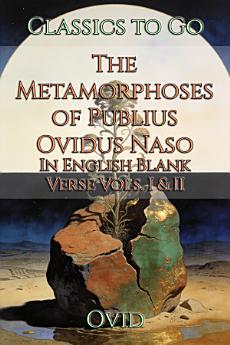
The Metamorphoses of Publius Ovidus Naso: Restored Classics to Go Edition
About this ebook
About the author
Publius Ovidius Naso, known simply as Ovid, was born in 43 BCE in Sulmo, in the Roman world, and rose from a well-to-do family with political ambitions to become one of antiquity's most dazzling poets. Trained for public life, he turned instead to literature, finding his true vocation in verse that combined elegance, wit, and emotional intelligence. He became a leading voice in Augustan Rome, admired for his mastery of love poetry, myth, and transformation, before his life took a dramatic turn when he was exiled to the distant Black Sea around 8 CE, a punishment he never fully explained and that shadowed his later years. Ovid's greatest achievement lies in the extraordinary range and vitality of his writing: he could be playful and seductive, ironic and tender, learned and accessible, often at once. His work explores desire, identity, power, change, and the instability of human life, and his fascination with metamorphosis speaks directly to modern readers living through rapid social, personal, and political change. He understood that people are constantly remade by love, loss, memory, and circumstance, which is why his poetry still feels startlingly contemporary. Ovid's legacy is immense, shaping European literature, visual art, and ideas of myth for centuries, and his influence remains visible wherever writers explore the fluid boundary between self and story. Readers who enjoy vivid storytelling, classical myth, psychological insight, and poetry that is both elegant and mischievous will find Ovid especially rewarding.