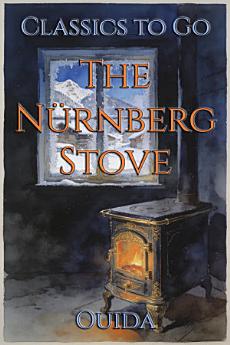
The Nürnberg Stove: Restored Classics to Go Edition
About this ebook
Discover more
About the author
Ouida, the pen name of Maria Louise Ramé, was born in 1839 in England and became one of the most distinctive and talked-about voices of the Victorian era. Raised in a cosmopolitan household and educated largely at home, she developed an early gift for languages, observation, and dramatic storytelling, and soon turned to writing as a way of making her mark. She achieved remarkable popularity in her lifetime, producing a wide range of fiction marked by vivid settings, emotional intensity, and a flair for spectacle, while also earning a reputation for independence, wit, and sometimes fierce social criticism. Her work often explores the clash between beauty and corruption, the vulnerability of the young and idealistic, the seductions of luxury, and the costs of vanity, ambition, and cruelty. Beneath the glamour of her style lies a sharp awareness of power, class, and the fragility of compassion, concerns that still feel resonant today in a world preoccupied with image, status, and moral compromise. Though her fame later waned, Ouida remains significant for her bold imagination, her theatrical prose, and her refusal to write timidly about human desire and suffering. Modern readers can still find in her fiction a mixture of romance, social insight, and emotional force that rewards attention. Those who enjoy richly written historical fiction, melodrama with intelligence, and authors unafraid of excess and passion are especially likely to be captivated by Ouida.