Lord Arthur Savile's Crime: Restored Classics to Go Edition
About this ebook
Discover more
Ratings and reviews

- Flag inappropriate
About the author
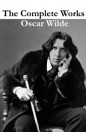
Oscar Wilde was born in Dublin in 1854 and educated at Trinity College, Dublin, and Oxford, where his brilliance, wit, and love of aesthetic beauty first began to shape the public persona that would make him famous. After moving to London, he became one of the most dazzling figures of the late Victorian era, admired as a playwright, essayist, novelist, and master of conversation whose sharp intelligence could be both playful and devastating. His literary achievements range across comedy, fiction, criticism, and fairy tale, but he is especially remembered for his polished style, paradoxical humor, and his ability to expose the hypocrisies of polite society while entertaining it. In his stories and plays, Wilde often explores the tension between appearance and reality, the performance of social roles, the dangers of vanity, and the tragic cost of living by rigid moral codes. These themes still feel strikingly modern, speaking to readers in an age shaped by image, reputation, and public self-presentation. Wilde's life was also marked by scandal, imprisonment, and exile, events that deepened the poignancy of his later work and helped secure his place as a symbol of artistic courage and personal tragedy. Today he remains one of literature's most quotable and enduring voices, admired for his elegance, irony, and fearless insight into human nature. Readers who enjoy sparkling wit, social satire, and stories that combine beauty with moral bite will find Oscar Wilde especially rewarding.