A Japanese Nightingale
About this ebook
Onoto Watanna’s A Japanese Nightingale explores themes of gender, race, and sexuality, as well as addressing the constructs and exploitation of Asian femininity. With descriptive prose and powerful themes, A Japanese Nightingale empowers Asian identity and influenced current cultural movements. Published in 1904, A Japanese Nightingale became Onoto Watanna’s claim to fame. The novel was a big commercial success, and even inspired a silent film adaptation. However, despite its popularity, A Japanese Nightingale is rarely found in print.
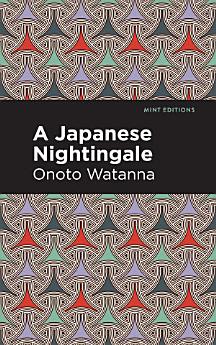
This edition of Onoto Watanna’s A Japanese Nightingale features an eye-catching cover design and is printed in a contemporary font, making it both readable and modern.
Discover more
About the author
Winnifred Eaton, (1875-1954) better known by her penname, Onoto Watanna was a Canadian author and screenwriter of Chinese-British ancestry. First published at the age of fourteen, Watanna worked a variety of jobs, each utilizing her talent for writing. She worked for newspapers while she wrote her novels, becoming known for her romantic fiction and short stories. Later, Watanna became involved in the world of theater and film. She wrote screenplays in New York, and founded the Little Theatre Movement, which aimed to produced artistic content independent of commercial standards. After her death in 1954, the Reeve Theater in Alberta, Canada was built in her honor.