О овој е-књизи
"Deve chegar por estes dias a Lisboa, vindo de Bordéus, o Sr. Basílio de
Brito, bem conhecido da nossa sociedade. Sua Excelência, que, como é
sabido, tinha partido para o Brasil, onde se diz reconstituíra a sua
fortuna com um honrado trabalho, anda viajando pela Europa desde o
começo do ano passado. A sua volta à capital é um verdadeiro júbilo para
os amigos de Sua Excelência, que são numerosos."
Texto segundo o Novo Acordo Ortográfico.
"Deve chegar por estes dias a Lisboa, vindo de Bordéus, o Sr. Basílio de
Brito, bem conhecido da nossa sociedade. Sua Excelência, que, como é
sabido, tinha partido para o Brasil, onde se diz reconstituíra a sua
fortuna com um honrado trabalho, anda viajando pela Europa desde o
começo do ano pa...
Откријте још
Оцене и рецензије
3 рецензијe
О аутору
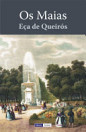
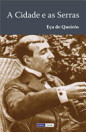
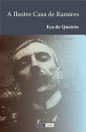
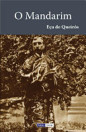
Eca de Queiros was unquestionably Portugal's greatest novelist. Beginning his career in the 1860s as a journalist, he became a constant literary innovator. He participated in the realist-naturalist revolt against the era's dominant romantics, headed by the poet Antonio Felicano de Castilho. The revolt's two main manifestations were the Coimbra Controversy of 1865 (A Questao Coimbra) and the Democratic Speeches at the Lisbon Casino in 1871. With The Sin of Father Amaro (1876) Eca de Queiros introduced realistic and naturalistic techniques into Portuguese fiction. Set in Leiria, this is a long, tedious novel about provincial life, pettiness, ignorance, and corrupt clergy. Much of its detail comes from Eca's experience in Leiria as a low-level bureaucrat. His second novel, Cousin Bazilio (1878), is Madame Bovary set in Lisbon. The Maias (1888) is his greatest work, a final attempt to create a Portuguese Human Comedy. Although critics have focused on Eca's social criticism and protest, he was, as well, an "imaginative, critical, and witty observer of the people" (Guerra da Cal). Another side of Eca de Queiros appears in The Mandarin (1880), The Relic (1886), The Illustrious House of Ramires and The City and the Mountains (1901). All but the third have humor, fantasy, wit, social criticism, and didactic purposes in common. The first two books tell the reader that honesty, frankness, hard work, and courage are the keys to happiness and success. The City and the Mountains advocates a return of the educated upper class to the soil, to regenerate, in a paternalistic fashion, a national dynamic among the folk. The protagonist of The Illustrious House of Ramires ransoms his family's prestige through colonial enterprise. It must be remembered that the last two novels were written after the humiliating ultimatum delivered by Great Britain in 1890, which forced Portugal to give up its claim to the central African territory between Angola and Mozambique.
Eca de Queiros was unquestionably Portugal's greatest novelist. Beginning his career in the 1860s as a journalist, he became a constant literary innovator. He participated in the realist-naturalist revolt against the era's dominant romantics, headed by the poet Antonio Felicano de Castilho. The r...
Оцените ову е-књигу
Јавите нам своје мишљење.
Информације о читању
Паметни телефони и таблети
Инсталирајте апликацију Google Play књиге за Android и iPad/iPhone. Аутоматски се синхронизује са налогом и омогућава вам да читате онлајн и офлајн где год да се налазите.
Лаптопови и рачунари
Можете да слушате аудио-књиге купљене на Google Play-у помоћу веб-прегледача на рачунару.
Е-читачи и други уређаји
Да бисте читали на уређајима које користе е-мастило, као што су Kobo е-читачи, треба да преузмете фајл и пренесете га на уређај. Пратите детаљна упутства из центра за помоћ да бисте пренели фајлове у подржане е-читаче.