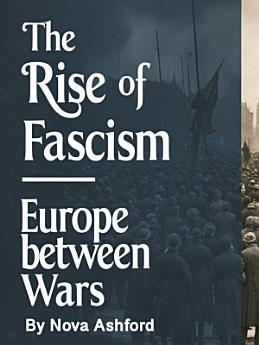
The Rise of Fascism: Europe between Wars
About this ebook
Europe's social fabric was also torn by the consequences of the war. Millions of soldiers and civilians had lost their lives, and entire generations were left scarred by the brutality of the conflict. This loss of life and the devastation of entire communities created a climate of disillusionment and distrust in established political systems. Many people, particularly veterans and the working class, found themselves struggling to adapt to the post-war reality. The economic situation in many countries, particularly in Germany and Italy, was dire. Inflation, unemployment, and a lack of basic resources contributed to widespread unrest and a sense of betrayal among the populace.
The Russian Revolution of 1917 had already shown the potential for radical change, as Bolsheviks overthrew the Russian monarchy and established a communist regime. The success of the Bolshevik Revolution created fear and anxiety across Europe, particularly among the upper classes and conservative elites. This fear of communism led to a reactionary shift in politics, with many turning to fascism as a way to safeguard national interests and prevent the spread of socialist ideologies.