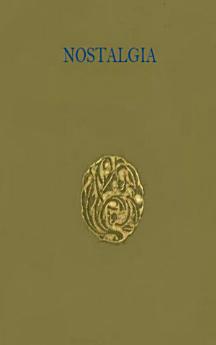
Nostalgia
មិថុនា 2017 · anboco
សៀវភៅអេឡិចត្រូនិច
455
ទំព័រ
family_home
មានសិទ្ធិ
info
អំពីសៀវភៅអេឡិចត្រូនិកនេះ
Since the days of Latin, to how few authors has it been given to obtain an European reputation! We English seem exceptionally slow in making ourselves acquainted with the works of foreigners. Dante and Cervantes, Goethe and Dumas, are perhaps no worse known among us than they are in their homes; but we seldom find out a modern writer till he has been the round of all the other countries. We are opinionated in England. We think other folk barbarians, even if we don't call them so; we visit them for the making of comparisons, generally in our own favour; of trying their manners and customs, arts and morals, not by their standard but by ours. We never forget that on the map of Europe there is the big continent, and away in a corner, by themselves, extraneous, cut off, and "very superior," physically and morally isolated and self-contained, are our two not over enormous islands. We don't regret that sea-voyage, literal and metaphorical, which is necessary to transport us to the lands of the barbarians; and though we travel a great deal, I declare I think we all (and especially newspaper correspondents) go about enclosed in a little bubble of our own foggy atmosphere, seeing only the things we intend to see, hearing the things we mean to hear, and already believe. We are poor linguists moreover, and when we talk with the barbarians we only catch half they say and omit all attention to what they hint; we frighten them by our abruptness, our unintentional hortatoriness and unconscious conceit, so that they don't say to us what they mean, nor tell what they suppose to be true. We come home swollen with false report and evil surmise, and at once commit ourselves to criticism and laudation equally beside the mark.
Since the days of Latin, to how few authors has it been given to obtain an European reputation! We English seem exceptionally slow in making ourselves acquainted with the works of foreigners. Dante and Cervantes, Goethe and Dumas, are perhaps no worse known among us than they are in their homes; ...
ស្វែងរកច្រើនទៀត
វាយតម្លៃសៀវភៅអេឡិចត្រូនិកនេះ
ប្រាប់យើងអំពីការយល់ឃើញរបស់អ្នក។
អានព័ត៌មាន
ទូរសព្ទឆ្លាតវៃ និងថេប្លេត
ដំឡើងកម្មវិធី Google Play Books សម្រាប់ Android និង iPad/iPhone ។ វាធ្វើសមកាលកម្មដោយស្វ័យប្រវត្តិជាមួយគណនីរបស់អ្នក និងអនុញ្ញាតឱ្យអ្នកអានពេលមានអ៊ីនធឺណិត ឬគ្មានអ៊ីនធឺណិតនៅគ្រប់ទីកន្លែង។
កុំព្យូទ័រយួរដៃ និងកុំព្យូទ័រ
អ្នកអាចស្ដាប់សៀវភៅជាសំឡេងដែលបានទិញនៅក្នុង Google Play ដោយប្រើកម្មវិធីរុករកតាមអ៊ីនធឺណិតក្នុងកុំព្យូទ័ររបស់អ្នក។
eReaders និងឧបករណ៍ផ្សេងទៀត
ដើម្បីអាននៅលើឧបករណ៍ e-ink ដូចជាឧបករណ៍អានសៀវភៅអេឡិចត្រូនិក Kobo អ្នកនឹងត្រូវទាញយកឯកសារ ហើយផ្ទេរវាទៅឧបករណ៍របស់អ្នក។ សូមអនុវត្តតាមការណែនាំលម្អិតរបស់មជ្ឈមណ្ឌលជំនួយ ដើម្បីផ្ទេរឯកសារទៅឧបករណ៍អានសៀវភៅអេឡិចត្រូនិកដែលស្គាល់។