මෙම ඉ-පොත ගැන
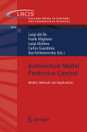
During the past decade model predictive control (MPC), also referred to as receding horizon control or moving horizon control, has become the preferred control strategy for quite a number of industrial processes. There have been many significant advances in this area over the past years, one of the most important ones being its extension to nonlinear systems. This book gives an up-to-date assessment of the current state of the art in the new field of nonlinear model predictive control (NMPC). The main topic areas that appear to be of central importance for NMPC are covered, namely receding horizon control theory, modeling for NMPC, computational aspects of on-line optimization and application issues. The book consists of selected papers presented at the International Symposium on Nonlinear Model Predictive Control – Assessment and Future Directions, which took place from June 3 to 5, 1998, in Ascona, Switzerland.
The book is geared towards researchers and practitioners in the area of control engineering and control theory. It is also suited for postgraduate students as the book contains several overview articles that give a tutorial introduction into the various aspects of nonlinear model predictive control, including systems theory, computations, modeling and applications.
The book is geared towards researchers and practitioners in the area of control engineering and control theory. It is also suited for postgraduate students as the book contains several overview articles that give a tutorial introduction into the various aspects of nonlinear model predictive control, including systems theory, computations, modeling and applications.
During the past decade model predictive control (MPC), also referred to as receding horizon control or moving horizon control, has become the preferred control strategy for quite a number of industrial processes. There have been many significant advances in this area over the past years, one of t...
තව සොයා ගන්න
මෙම ඉ-පොත අගයන්න
ඔබ සිතන දෙය අපට කියන්න.
කියවීමේ තොරතුරු
ස්මාර්ට් දුරකථන සහ ටැබ්ලට්
Android සහ iPad/iPhone සඳහා Google Play පොත් යෙදුම ස්ථාපනය කරන්න. එය ඔබේ ගිණුම සමඟ ස්වයංක්රීයව සමමුහුර්ත කරන අතර ඔබට ඕනෑම තැනක සිට සබැඳිව හෝ නොබැඳිව කියවීමට ඉඩ සලසයි.
ලැප්ටොප් සහ පරිගණක
ඔබට ඔබේ පරිගණකයේ වෙබ් බ්රව්සරය භාවිතයෙන් Google Play මත මිලදී ගත් ශ්රව්යපොත්වලට සවන් දිය හැක.
eReaders සහ වෙනත් උපාංග
Kobo eReaders වැනි e-ink උපාංග පිළිබඳ කියවීමට, ඔබ විසින් ගොනුවක් බාගෙන ඔබේ උපාංගයට එය මාරු කිරීම සිදු කළ යුතු වේ. ආධාරකරු ඉ-කියවනයට ගොනු මාරු කිරීමට විස්තරාත්මක උදවු මධ්යස්ථාන උපදෙස් අනුගමනය කරන්න.