Navigating Foreign Language Learner Autonomy

Β· Β·
Β· Candlin & Mynard
αžŸαŸ€αžœαž—αŸ…β€‹αž’αŸαž‘αž·αž…αžαŸ’αžšαžΌαž“αž·αž…
695
αž‘αŸ†αž–αŸαžš
αž§αž”αž€αžšαžŽαŸ

αž’αŸ†αž–αžΈαžŸαŸ€αžœαž—αŸ…β€‹αž’αŸαž‘αž·αž…αžαŸ’αžšαžΌαž“αž·αž€αž“αŸαŸ‡

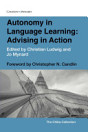
Navigating Foreign Language Learner Autonomy provides novel insights into both the theory and practice of learner autonomy in the context of foreign language education, and does so in multiple languages and through multiple voices. The contributing authors showcase effective practices and new directions in research, but also report on the status quo of learner autonomy at institutions around the world. Most of the authors write about their experiences with implementing foreign language learner autonomy in their home or dominant language(s). The volume contains full chapters or extracts in 15 languages: Czech, Danish, English, Finnish, German, Hungarian, Italian, Japanese, Korean, Mandarin Chinese, Māori, Portuguese, Spanish, Thai, and Turkish. Each chapter is accompanied by a chapter or summary in English, along with a glossary and some reflective questions. As a starting point, a theoretical introduction is provided by David Little, and to conclude, the editors analyse the narratives of the contributors and comment on the process of navigating autonomy through different languages.
Navigating Foreign Language Learner Autonomy provides novel insights into both the theory and practice of learner autonomy in the context of foreign language education, and does so in multiple languages and through multiple voices. The contributing authors showcase effective practices and new dir...

αžŸαŸ’αžœαŸ‚αž„αžšαž€β€‹αž…αŸ’αžšαžΎαž“αž‘αŸ€αž

αž’αŸ†αž–αžΈβ€‹αž’αŸ’αž“αž€αž“αž·αž–αž“αŸ’αž’


Christian Ludwig is currently Professor of ELT at the Freie UniversitΓ€t Berlin, Germany. His teaching and research interests include enhancing learner autonomy in the EFL classroom as well as computer-assisted language learning. His main focus of research lies in the reconstruction of gender and other identities in contemporary young adult dystopias and South African literature. Since 2015 he has been the coordinator of the IATEFL Learner Autonomy Special Interest Group and external consultant for Cornelsen Publishing. He has been visiting scholar at, among others, universities in South Africa, Japan, and Belgium.


Giovanna Tassinari is Director of the Centre for Independent Language Learning at the Language Centre of the Freie UniversitΓ€t Berlin, Germany. She works as language advisor and as teacher trainer. Her research interests are learner autonomy, language advising, and emotion and feelings in language learning. She is co-editor of several books and author of articles and book chapters in German, English and French.


Jo Mynard is a Professor, Director of the Self-Access Learning Center, and Director of the Research Institute for Learner Autonomy Education at Kanda University of International studies in Japan. She has an M.Phil. in Applied Linguistics from Trinity College, University of Dublin, Ireland and an Ed.D. in TEFL from the University of Exeter, UK. Her research interests include learner autonomy, advising, self-access and affect in language learning.ο»Ώ

Christian Ludwig is currently Professor of ELT at the Freie UniversitΓ€t Berlin, Germany. His teaching and research interests include enhancing learner autonomy in the EFL classroom as well as computer-assisted language learning. His main focus of research lies in the reconstruction of gender and...

αžœαžΆαž™αžαž˜αŸ’αž›αŸƒαžŸαŸ€αžœαž—αŸ…β€‹αž’αŸαž‘αž·αž…αžαŸ’αžšαžΌαž“αž·αž€αž“αŸαŸ‡

αž”αŸ’αžšαžΆαž”αŸ‹αž™αžΎαž„αž’αŸ†αž–αžΈαž€αžΆαžšαž™αž›αŸ‹αžƒαžΎαž‰αžšαž”αžŸαŸ‹αž’αŸ’αž“αž€αŸ”

αž’αžΆαž“β€‹αž–αŸαžαŸŒαž˜αžΆαž“

αž‘αžΌαžšαžŸαž–αŸ’αž‘αž†αŸ’αž›αžΆαžαžœαŸƒ αž“αž·αž„β€‹αžαŸαž”αŸ’αž›αŸαž
αžŠαŸ†αž‘αžΎαž„αž€αž˜αŸ’αž˜αžœαž·αž’αžΈ Google Play Books αžŸαž˜αŸ’αžšαžΆαž”αŸ‹ Android αž“αž·αž„ iPad/iPhone αŸ” αžœαžΆβ€‹αž’αŸ’αžœαžΎαžŸαž˜αž€αžΆαž›αž€αž˜αŸ’αž˜β€‹αžŠαŸ„αž™αžŸαŸ’αžœαŸαž™αž”αŸ’αžšαžœαžαŸ’αžαž·αž‡αžΆαž˜αž½αž™β€‹αž‚αžŽαž“αžΈβ€‹αžšαž”αžŸαŸ‹αž’αŸ’αž“αž€β€‹ αž“αž·αž„β€‹αž’αž“αž»αž‰αŸ’αž‰αžΆαžαž±αŸ’αž™β€‹αž’αŸ’αž“αž€αž’αžΆαž“αž–αŸαž›β€‹αž˜αžΆαž“αž’αŸŠαžΈαž“αž’αžΊαžŽαž·αž αž¬αž‚αŸ’αž˜αžΆαž“β€‹αž’αŸŠαžΈαž“αž’αžΊαžŽαž·αžβ€‹αž“αŸ…αž‚αŸ’αžšαž”αŸ‹αž‘αžΈαž€αž“αŸ’αž›αŸ‚αž„αŸ”
αž€αž»αŸ†αž–αŸ’αž™αžΌαž‘αŸαžšβ€‹αž™αž½αžšαžŠαŸƒ αž“αž·αž„αž€αž»αŸ†αž–αŸ’αž™αžΌαž‘αŸαžš
αž’αŸ’αž“αž€αž’αžΆαž…αžŸαŸ’αžŠαžΆαž”αŸ‹αžŸαŸ€αžœαž—αŸ…αž‡αžΆαžŸαŸ†αž‘αŸαž„αžŠαŸ‚αž›αž”αžΆαž“αž‘αž·αž‰αž“αŸ…αž€αŸ’αž“αž»αž„ Google Play αžŠαŸ„αž™αž”αŸ’αžšαžΎαž€αž˜αŸ’αž˜αžœαž·αž’αžΈαžšαž»αž€αžšαž€αžαžΆαž˜αž’αŸŠαžΈαž“αž’αžΊαžŽαž·αžαž€αŸ’αž“αž»αž„αž€αž»αŸ†αž–αŸ’αž™αžΌαž‘αŸαžšαžšαž”αžŸαŸ‹αž’αŸ’αž“αž€αŸ”
eReaders αž“αž·αž„β€‹αž§αž”αž€αžšαžŽαŸβ€‹αž•αŸ’αžŸαŸαž„β€‹αž‘αŸ€αž
αžŠαžΎαž˜αŸ’αž”αžΈαž’αžΆαž“αž“αŸ…αž›αžΎβ€‹αž§αž”αž€αžšαžŽαŸ e-ink αžŠαžΌαž…αž‡αžΆβ€‹αž§αž”αž€αžšαžŽαŸαž’αžΆαž“β€‹αžŸαŸ€αžœαž—αŸ…αž’αŸαž‘αž·αž…αžαŸ’αžšαžΌαž“αž·αž€ Kobo αž’αŸ’αž“αž€αž“αžΉαž„αžαŸ’αžšαžΌαžœβ€‹αž‘αžΆαž‰αž™αž€β€‹αž―αž€αžŸαžΆαžš αž αžΎαž™β€‹αž•αŸ’αž‘αŸαžšαžœαžΆαž‘αŸ…β€‹αž§αž”αž€αžšαžŽαŸβ€‹αžšαž”αžŸαŸ‹αž’αŸ’αž“αž€αŸ” αžŸαžΌαž˜αž’αž“αž»αžœαžαŸ’αžαžαžΆαž˜β€‹αž€αžΆαžšαžŽαŸ‚αž“αžΆαŸ†αž›αž˜αŸ’αž’αž·αžαžšαž”αžŸαŸ‹αž˜αž‡αŸ’αžˆαž˜αžŽαŸ’αžŒαž›αž‡αŸ†αž“αž½αž™ αžŠαžΎαž˜αŸ’αž”αžΈαž•αŸ’αž‘αŸαžšαž―αž€αžŸαžΆαžšβ€‹αž‘αŸ…αž§αž”αž€αžšαžŽαŸαž’αžΆαž“αžŸαŸ€αžœαž—αŸ…β€‹αž’αŸαž‘αž·αž…αžαŸ’αžšαžΌαž“αž·αž€αžŠαŸ‚αž›αžŸαŸ’αž‚αžΆαž›αŸ‹αŸ”