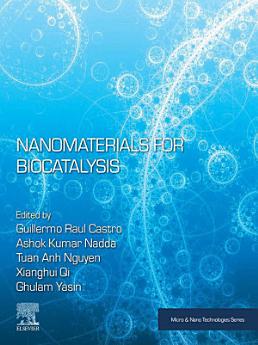
Nanomaterials for Biocatalysis

ยท ยท ยท ยท
ยท Elsevier
เด‡-เดฌเตเด•เตเด•เต
754
เดชเต‡เดœเตเด•เตพ
เดฏเต‹เด—เตเดฏเดคเดฏเตเดฃเตเดŸเต

เดˆ เด‡-เดฌเตเด•เตเด•เดฟเดจเต†เด•เตเด•เตเดฑเดฟเดšเตเดšเต

Nanomaterials for Biocatalysis explains the fundamental design concepts and emerging applications of nanoscale biocatalysts, such as bioconversions, bioelectronics, biosensors, biocomputing and therapeutic applications. Nano-biocatalysts refers to the incorporation of enzymes into nanomaterials. These enzyme-enhanced nanocarriers have many advantages, including low mass transfer limitation, high enzyme capacity, better stabilization, and the formation of single-enzyme nanoparticles. Smart nanocontainers have been developed for the smart release of their embedded active substances. These smart releases can be obtained by using smart coatings as their outer nanoshells. In addition, these nanocontainers could protect the enzymes from chemical or metabolic alterations on their delivering pathways towards the target. This is an important reference source for materials scientists and chemical engineers who want to know more about how nanomaterials are being used for biocatalysis applications. - Explains the major fabrication techniques and applications of nanobiocatalysts - Shows how nanobiocatalysts are used in a variety of environmental and biomedical sectors - Assesses the major challenges associated with the widespread manufacture of nanobiocatalysts
Nanomaterials for Biocatalysis explains the fundamental design concepts and emerging applications of nanoscale biocatalysts, such as bioconversions, bioelectronics, biosensors, biocomputing and therapeutic applications. Nano-biocatalysts refers to the incorporation of enzymes into nanomaterials. ...

เด•เต‚เดŸเตเดคเตฝ เด•เดฃเตเดŸเต†เดคเตเดคเต‚

เดฐเดšเดฏเดฟเดคเดพเดตเดฟเดจเต† เด•เตเดฑเดฟเดšเตเดšเต

Guillermo R. Castro is a Full Professor at the Max Planck Laboratory for Structural Biology, Chemistry and Molecular Biophysics of Rosario (MPLbioR, UNR-MPIbpC), which is a partner Laboratory of the Max Planck Institute for Biophysical Chemistry (MPIbpC, MPG), at the Centro de Estudios Interdisciplinarios (CEI), Universidad Nacional de Rosario, Rosario, Santa Fe, Argentina. His areas of research are microbial and biomedical biotechnology, non-aqueous enzymology, bio-transformations. biopolymers (production and industrial uses), controlled release of molecules, nanobiotechnology, and hybrid materials.

Ashok Kumar is an Assistant Professor, in the Department of Biotechnology and Bioinformatics, at Jaypee University of Information Technology, Waknaghat, India. His research areas are in enzymology, biocatalysis, biopolymers, enzyme immobilization, and bioenergy.

Tuan Anh Nguyen is a Senior Principal Research Scientist at the Institute for Tropical Technology, Vietnam Academy of Science and Technology, Hanoi, Vietnam. He received a BS in physics from Hanoi University in 1992, a BS in economics from Hanoi National Economics University in 1997, and a PhD in chemistry from the Paris Diderot University, France, in 2003. He was a Visiting Scientist at Seoul National University, South Korea, in 2004, and the University of Wollongong, Australia, in 2005. He then worked as a Postdoctoral Research Associate and Research Scientist at Montana State University, United States in 2006-09. In 2012 he was appointed as the Head of the Microanalysis Department at the Institute for Tropical Technology. His research areas of interest include smart sensors, smart networks, smart hospitals, smart cities, complexiverse, and digital twins. He has edited more than 74 books for Elsevier, 12 books for CRC Press, 1 book for Springer, 1 book for RSC, and 2 books for IGI Global. He is the Editor-in-Chief of Kenkyu Journal of Nanotechnology & Nanoscience.

Xianghui Qi is a Professor in the School of Food & Biological Engineering, Jiangsu University, China. His research interests: biosynthesis of high value-added chemicals by microbes and engineered strains; especially focused on the discovery of novel enzymes and strains, directed evolution and rational design of enzymes, metabolic pathways engineering, biotransformation synthesis, microbial omics and metabolic regulation, fermentation engineering, and molecular mechanism of biosynthesis.

Ghulam Yasin is a researcher in the School of Environment and Civil Engineering at Dongguan University of Technology, Guangdong, China. His expertise covers the design and development of hybrid devices and technologies of carbon nanostructures and advanced nanomaterials for for real-world impact in energy-related and other functional applications.

Guillermo R. Castro is a Full Professor at the Max Planck Laboratory for Structural Biology, Chemistry and Molecular Biophysics of Rosario (MPLbioR, UNR-MPIbpC), which is a partner Laboratory of the Max Planck Institute for Biophysical Chemistry (MPIbpC, MPG), at the Centro de Estudios Interdisci...

เดˆ เด‡-เดฌเตเด•เตเด•เต เดฑเต‡เดฑเตเดฑเต เดšเต†เดฏเตเดฏเตเด•

เดจเดฟเด™เตเด™เดณเตเดŸเต† เด…เดญเดฟเดชเตเดฐเดพเดฏเด‚ เดžเด™เตเด™เดณเต† เด…เดฑเดฟเดฏเดฟเด•เตเด•เตเด•.

เดตเดพเดฏเดจเดพ เดตเดฟเดตเดฐเด™เตเด™เตพ

เดธเตโ€ŒเดฎเดพเตผเดŸเตเดŸเตเดซเต‹เดฃเตเด•เดณเตเด‚ เดŸเดพเดฌเตโ€Œเดฒเต†เดฑเตเดฑเตเด•เดณเตเด‚
Android, iPad/iPhone เดŽเดจเตเดจเดฟเดตเดฏเตเด•เตเด•เดพเดฏเดฟ Google Play เดฌเตเด•เตโ€Œเดธเต เด†เดชเตเดชเต เด‡เตปเดธเตโ€Œเดฑเตเดฑเดพเตพ เดšเต†เดฏเตเดฏเตเด•. เด‡เดคเต เดจเดฟเด™เตเด™เดณเตเดŸเต† เด…เด•เตเด•เต—เดฃเตเดŸเตเดฎเดพเดฏเดฟ เดธเตเดตเดฏเดฎเต‡เดต เดธเดฎเดจเตเดตเดฏเดฟเดชเตเดชเดฟเด•เตเด•เดชเตเดชเต†เดŸเตเด•เดฏเตเด‚, เดŽเดตเดฟเดŸเต† เด†เดฏเดฟเดฐเตเดจเตเดจเดพเดฒเตเด‚ เด“เตบเดฒเตˆเดจเดฟเตฝ เด…เดฒเตเดฒเต†เด™เตเด•เดฟเตฝ เด“เดซเตโ€Œเดฒเตˆเดจเดฟเตฝ เดตเดพเดฏเดฟเด•เตเด•เดพเตป เดจเดฟเด™เตเด™เดณเต† เด…เดจเตเดตเดฆเดฟเด•เตเด•เตเด•เดฏเตเด‚ เดšเต†เดฏเตเดฏเตเดจเตเดจเต.
เดฒเดพเดชเตเดŸเต‹เดชเตเดชเตเด•เดณเตเด‚ เด•เดฎเตเดชเตเดฏเต‚เดŸเตเดŸเดฑเตเด•เดณเตเด‚
Google Play-เดฏเดฟเตฝ เดจเดฟเดจเตเดจเต เดตเดพเด™เตเด™เดฟเดฏเดฟเดŸเตเดŸเตเดณเตเดณ เด“เดกเดฟเดฏเต‹ เดฌเตเด•เตเด•เตเด•เตพ เด•เดฎเตเดชเตเดฏเต‚เดŸเตเดŸเดฑเดฟเดจเตโ€เดฑเต† เดตเต†เดฌเต เดฌเตเดฐเต—เดธเตผ เด‰เดชเดฏเต‹เด—เดฟเดšเตเดšเตเด•เตŠเดฃเตเดŸเต เดตเดพเดฏเดฟเด•เตเด•เดพเดตเตเดจเตเดจเดคเดพเดฃเต.
เด‡-เดฑเต€เดกเดฑเตเด•เดณเตเด‚ เดฎเดฑเตเดฑเต เด‰เดชเด•เดฐเดฃเด™เตเด™เดณเตเด‚
Kobo เด‡-เดฑเต€เดกเดฑเตเด•เตพ เดชเต‹เดฒเตเดณเตเดณ เด‡-เด‡เด™เตเด•เต เด‰เดชเด•เดฐเดฃเด™เตเด™เดณเดฟเตฝ เดตเดพเดฏเดฟเด•เตเด•เดพเตป เด’เดฐเต เดซเดฏเตฝ เดกเต—เตบเดฒเต‹เดกเต เดšเต†เดฏเตเดคเต เด…เดคเต เดจเดฟเด™เตเด™เดณเตเดŸเต† เด‰เดชเด•เดฐเดฃเดคเตเดคเดฟเดฒเต‡เด•เตเด•เต เด•เตˆเดฎเดพเดฑเต‡เดฃเตเดŸเดคเตเดฃเตเดŸเต. เดชเดฟเดจเตเดคเตเดฃเดฏเตเดณเตเดณ เด‡-เดฑเต€เดกเดฑเตเด•เดณเดฟเดฒเต‡เด•เตเด•เต เดซเดฏเดฒเตเด•เตพ เด•เตˆเดฎเดพเดฑเดพเตป, เดธเดนเดพเดฏ เด•เต‡เดจเตเดฆเตเดฐเดคเตเดคเดฟเดฒเตเดณเตเดณ เดตเดฟเดถเดฆเดฎเดพเดฏ เดจเดฟเตผเดฆเตเดฆเต‡เดถเด™เตเด™เตพ เดซเต‹เดณเต‹ เดšเต†เดฏเตเดฏเตเด•.

Guillermo R. Castro เดŽเดจเตเดจ เดฐเดšเดฏเดฟเดคเดพเดตเดฟเดจเตเดฑเต† เด•เต‚เดŸเตเดคเตฝ เดชเตเดธเตโ€Œเดคเด•เด™เตเด™เตพ

เดธเดฎเดพเดจเดฎเดพเดฏ เด‡-เดฌเตเด•เตเด•เตเด•เตพ