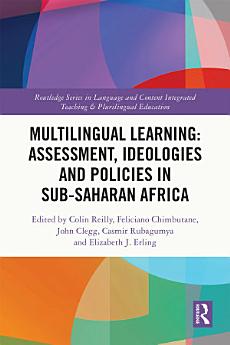
Multilingual Learning: Assessment, Ideologies and Policies in Sub-Saharan Africa

Β· Β· Β· Β·
Β· Taylor & Francis
Π•-ΠΊΠ½ΠΈΠ³Π°
300
Π‘Ρ‚Ρ€Π°Π½ΠΈΡ†ΠΈ
Π‘ΠΎΠΎΠ΄Π²Π΅Ρ‚Π½Π°

Π—Π° Π΅-ΠΊΠ½ΠΈΠ³Π°Π²Π°

This edited volume provides the follow up to Erling et al.’s (2021) Multilingual Learning and Language Supportive Pedagogies in Sub-Saharan Africa. The strategies put forward in Volume 1 included multilingual pedagogies that allow students to draw on their full linguistic repertoires, translanguaging and other language-supportive pedagogies. While there is great traction in the pedagogical strategies proposed in Volume 1, limited progress has been made in terms of multilingual education in Sub-Saharan Africa (SSA). Thus, the main focus of this follow-up volume is to explore the question of why former colonial languages and monolingual approaches continue to be used as the dominant languages of education, even when we have multilingual pedagogies and materials that could and do work and despite substantial evidence that learners have difficulties when taught in a language they do not understand.

This book offers perspectives to answer this question through focusing on the internal and external pressures which impact the capacity for implementing multilingual strategies in educational contexts at regional, national and community levels. Chapters provide insights into how to better understand and work within these contemporary constraints and challenge dominant monoglossic discourses which inhibit the implementation of multilingual education in SSA. The volume focuses on three main areas which have proven to be stumbling blocks to the effective implementation of multilingual education to date, namely: assessment, ideology and policy.

An insightful collection that will be of great interest to academics, researchers and practitioners in the fields of language education, language-in-education policy and educational assessments in the wide range of multilingual contexts in Africa.

This edited volume provides the follow up to Erling et al.’s (2021) Multilingual Learning and Language Supportive Pedagogies in Sub-Saharan Africa. The strategies put forward in Volume 1 included multilingual pedagogies that allow students to draw on their full linguistic repertoires, translangua...

ΠžΡ‚ΠΊΡ€ΠΈΡ˜Ρ‚Π΅ повСќС

Π—Π° Π°Π²Ρ‚ΠΎΡ€ΠΎΡ‚

Colin Reilly is a Lecturer in Linguistics at the University of Stirling.

Feliciano Chimbutane is an Associate Professor in Linguistics at Eduardo Mondlane University.

John Clegg is a freelance education consultant based in the UK.

Casmir Rubagumya is a Professor of Language Education at St John’s University of Tanzania.

Elizabeth J. Erling is a Professor of English Language Teaching Research and Methodology at the University of Education Upper Austria and Elise-Richter Senior Postdoctoral Fellow at the University of Vienna.
Colin Reilly is a Lecturer in Linguistics at the University of Stirling. Feliciano Chimbutane is an Associate Professor in Linguistics at Eduardo Mondlane University. John Clegg is a freelance education consultant based in the UK. Casmir Rubagumya is a Professor of Language Education at St John’s...

ΠžΡ†Π΅Π½Π΅Ρ‚Π΅ ја Π΅-ΠΊΠ½ΠΈΠ³Π°Π²Π°

ΠšΠ°ΠΆΠ΅Ρ‚Π΅ Π½ΠΈ ΡˆΡ‚ΠΎ мислитС.

Π˜Π½Ρ„ΠΎΡ€ΠΌΠ°Ρ†ΠΈΠΈ Π·Π° Ρ‡ΠΈΡ‚Π°ΡšΠ΅

ΠŸΠ°ΠΌΠ΅Ρ‚Π½ΠΈ Ρ‚Π΅Π»Π΅Ρ„ΠΎΠ½ΠΈ ΠΈ Ρ‚Π°Π±Π»Π΅Ρ‚ΠΈ
Π˜Π½ΡΡ‚Π°Π»ΠΈΡ€Π°Ρ˜Ρ‚Π΅ ја Π°ΠΏΠ»ΠΈΠΊΠ°Ρ†ΠΈΡ˜Π°Ρ‚Π° Google Play Books Π·Π° Android ΠΈ iPad/iPhone. Автоматски сС синхронизира со смСтката ΠΈ Π²ΠΈ ΠΎΠ²ΠΎΠ·ΠΌΠΎΠΆΡƒΠ²Π° Π΄Π° Ρ‡ΠΈΡ‚Π°Ρ‚Π΅ онлајн ΠΈΠ»ΠΈ ΠΎΡ„Π»Π°Ρ˜Π½ ΠΊΠ°Π΄Π΅ ΠΈ Π΄Π° стС.
Π›Π°ΠΏΡ‚ΠΎΠΏΠΈ ΠΈ ΠΊΠΎΠΌΠΏΡ˜ΡƒΡ‚Π΅Ρ€ΠΈ
МоТС Π΄Π° ΡΠ»ΡƒΡˆΠ°Ρ‚Π΅ Π°ΡƒΠ΄ΠΈΠΎΠΊΠ½ΠΈΠ³ΠΈ ΠΊΡƒΠΏΠ΅Π½ΠΈ ΠΎΠ΄ Google Play со ΠΊΠΎΡ€ΠΈΡΡ‚Π΅ΡšΠ΅ Π½Π° Π²Π΅Π±-прСлистувачот Π½Π° ΠΊΠΎΠΌΠΏΡ˜ΡƒΡ‚Π΅Ρ€ΠΎΡ‚.
Π•-Ρ‡ΠΈΡ‚Π°Ρ‡ΠΈ ΠΈ Π΄Ρ€ΡƒΠ³ΠΈ ΡƒΡ€Π΅Π΄ΠΈ
Π—Π° Π΄Π° Ρ‡ΠΈΡ‚Π°Ρ‚Π΅ Π½Π° ΡƒΡ€Π΅Π΄ΠΈ со Π΅-мастило, ΠΊΠ°ΠΊΠΎ ΡˆΡ‚ΠΎ сС Π΅-Ρ‡ΠΈΡ‚Π°Ρ‡ΠΈΡ‚Π΅ Kobo, ќС Ρ‚Ρ€Π΅Π±Π° Π΄Π° ΠΏΡ€Π΅Π·Π΅ΠΌΠ΅Ρ‚Π΅ Π΄Π°Ρ‚ΠΎΡ‚Π΅ΠΊΠ° ΠΈ Π΄Π° ја ΠΏΡ€Π΅Ρ„Ρ€Π»ΠΈΡ‚Π΅ Π½Π° ΡƒΡ€Π΅Π΄ΠΎΡ‚. Π‘Π»Π΅Π΄Π΅Ρ‚Π΅ Π³ΠΈ Π΄Π΅Ρ‚Π°Π»Π½ΠΈΡ‚Π΅ упатства Π²ΠΎ Π¦Π΅Π½Ρ‚Π°Ρ€ΠΎΡ‚ Π·Π° помош Π·Π° ΠΏΡ€Π΅Ρ„Ρ€Π»Π°ΡšΠ΅ Π½Π° Π΄Π°Ρ‚ΠΎΡ‚Π΅ΠΊΠΈΡ‚Π΅ Π½Π° ΠΏΠΎΠ΄Π΄Ρ€ΠΆΠ°Π½ΠΈ Π΅-Ρ‡ΠΈΡ‚Π°Ρ‡ΠΈ.