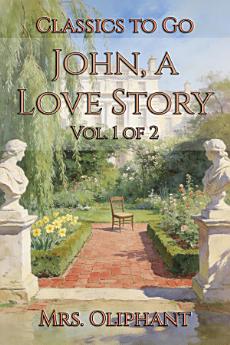
John, a Love Story: Restored Classics to Go Edition
About this ebook
Discover more
About the author
Mrs. Margaret Oliphant was one of the most prolific and perceptive writers of the Victorian era, a novelist, critic, and biographer whose long career was shaped by both literary ambition and personal hardship. Born in Scotland in 1828, she began publishing early and supported her family through her writing after a series of painful losses, including the deaths of her husband and several children. Over the decades she produced an extraordinary body of fiction and nonfiction, earning a reputation for intelligence, emotional clarity, and a remarkable ability to observe the pressures of family life, work, religion, class, and social change. Her novels often explore the quiet struggles of women, the fragility of respectability, and the tension between duty and desire, while her essays and critical writings reveal a mind alert to the moral complexities of everyday life. What makes her work feel especially relevant today is its sympathy for ordinary people navigating economic uncertainty, grief, and shifting expectations, as well as its nuanced understanding of how private lives are shaped by public forces. Oliphant's legacy lies in her range, productivity, and psychological insight: she helped define the domestic and social novel while giving lasting literary form to resilience under pressure. Readers who enjoy richly observed character studies, Victorian society, and fiction that balances wit with emotional depth will find her especially rewarding.