এই ইবুকখনৰ বিষয়ে
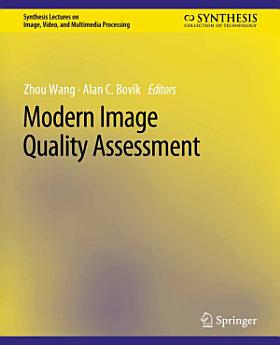
This Lecture book is about objective image quality assessment—where the aim is to provide computational models that can automatically predict perceptual image quality. The early years of the 21st century have witnessed a tremendous growth in the use of digital images as a means for representing and communicating information. A considerable percentage of this literature is devoted to methods for improving the appearance of images, or for maintaining the appearance of images that are processed. Nevertheless, the quality of digital images, processed or otherwise, is rarely perfect. Images are subject to distortions during acquisition, compression, transmission, processing, and reproduction. To maintain, control, and enhance the quality of images, it is important for image acquisition, management, communication, and processing systems to be able to identify and quantify image quality degradations. The goals of this book are as follows; a) to introduce the fundamentals of image quality assessment, and to explain the relevant engineering problems, b) to give a broad treatment of the current state-of-the-art in image quality assessment, by describing leading algorithms that address these engineering problems, and c) to provide new directions for future research, by introducing recent models and paradigms that significantly differ from those used in the past. The book is written to be accessible to university students curious about the state-of-the-art of image quality assessment, expert industrial R&D engineers seeking to implement image/video quality assessment systems for specific applications, and academic theorists interested in developing new algorithms for image quality assessment or using existing algorithms to design or optimize other image processing applications.
This Lecture book is about objective image quality assessment—where the aim is to provide computational models that can automatically predict perceptual image quality. The early years of the 21st century have witnessed a tremendous growth in the use of digital images as a means for representing a...
অধিক বিচাৰি পাওক
এই ইবুকখনক মূল্যাংকন কৰক
আমাক আপোনাৰ মতামত জনাওক।
পঢ়াৰ নির্দেশাৱলী
স্মাৰ্টফ’ন আৰু টেবলেট
Android আৰু iPad/iPhoneৰ বাবে Google Play Books এপটো ইনষ্টল কৰক। ই স্বয়ংক্রিয়ভাৱে আপোনাৰ একাউণ্টৰ সৈতে ছিংক হয় আৰু আপুনি য'তে নাথাকক ত'তেই কোনো অডিঅ'বুক অনলাইন বা অফলাইনত শুনিবলৈ সুবিধা দিয়ে।
লেপটপ আৰু কম্পিউটাৰ
আপুনি কম্পিউটাৰৰ ৱেব ব্রাউজাৰ ব্যৱহাৰ কৰি Google Playত কিনা অডিঅ'বুকসমূহ শুনিব পাৰে।
ই-ৰীডাৰ আৰু অন্য ডিভাইচ
Kobo eReadersৰ দৰে ই-চিয়াঁহীৰ ডিভাইচসমূহত পঢ়িবলৈ, আপুনি এটা ফাইল ডাউনল’ড কৰি সেইটো আপোনাৰ ডিভাইচলৈ স্থানান্তৰণ কৰিব লাগিব। সমৰ্থিত ই-ৰিডাৰলৈ ফাইলটো কেনেকৈ স্থানান্তৰ কৰিব জানিবলৈ সহায় কেন্দ্ৰত থকা সবিশেষ নিৰ্দেশাৱলী চাওক।