អំពីសៀវភៅអេឡិចត្រូនិកនេះ
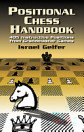
Every chess player hopes to set off brilliant combinations and win games in a blaze of glory. Such combinations do not come into being by themselves, however; they appear only as the result of proper chess strategy. It is therefore surprising that so few books deal with this highly important subject, and understandable that Pachman's modern classic has been so enthusiastically received by chessplayers at all levels.
Ludĕk Pachman, a Czech grandmaster, has long had an international reputation as a chess theorist, but until now his work has not been available in English. This present volume, which condenses his great Modern Schachstrategie, presents his ideas and theories in a form that the English-speaking world can assimilate easily. Beginning with basic concepts and the rules of the minor and major pieces, it covers the use of the Queen, the active King, exchanges, various kinds of Pawns, the center and its use, superiority on the wings, minority attack, strategical points and weak squares, methods of attack and defense, and similar topics. Pachman elaborates the various kinds of strategy that can be employed, and shows how each leads to tactical opportunities. It has been said that his section on the Rook alone make his book indispensable to the serious chess player, since the Rook is so important in both middle and endgames.
Pachman presents his method in the form of a thorough, systematic, analytical text, which draws upon scores of great games for exemplification. Both classical and very recent masters are included, although stress is on the moderns: Capablanca, Alekhine, Dr. Lasker, Rubinstein, Nimzovich, Botvinnik, Reshevsky, Bronstein, Smyslov, and Spasski.
Every chess player hopes to set off brilliant combinations and win games in a blaze of glory. Such combinations do not come into being by themselves, however; they appear only as the result of proper chess strategy. It is therefore surprising that so few books deal with this highly important subj...
ការដាក់ផ្កាយ និងមតិវាយតម្លៃ
ការវាយតម្លៃ 57
វាយតម្លៃសៀវភៅអេឡិចត្រូនិកនេះ
ប្រាប់យើងអំពីការយល់ឃើញរបស់អ្នក។
អានព័ត៌មាន
ទូរសព្ទឆ្លាតវៃ និងថេប្លេត
ដំឡើងកម្មវិធី Google Play Books សម្រាប់ Android និង iPad/iPhone ។ វាធ្វើសមកាលកម្មដោយស្វ័យប្រវត្តិជាមួយគណនីរបស់អ្នក និងអនុញ្ញាតឱ្យអ្នកអានពេលមានអ៊ីនធឺណិត ឬគ្មានអ៊ីនធឺណិតនៅគ្រប់ទីកន្លែង។
កុំព្យូទ័រយួរដៃ និងកុំព្យូទ័រ
អ្នកអាចស្ដាប់សៀវភៅជាសំឡេងដែលបានទិញនៅក្នុង Google Play ដោយប្រើកម្មវិធីរុករកតាមអ៊ីនធឺណិតក្នុងកុំព្យូទ័ររបស់អ្នក។
eReaders និងឧបករណ៍ផ្សេងទៀត
ដើម្បីអាននៅលើឧបករណ៍ e-ink ដូចជាឧបករណ៍អានសៀវភៅអេឡិចត្រូនិក Kobo អ្នកនឹងត្រូវទាញយកឯកសារ ហើយផ្ទេរវាទៅឧបករណ៍របស់អ្នក។ សូមអនុវត្តតាមការណែនាំលម្អិតរបស់មជ្ឈមណ្ឌលជំនួយ ដើម្បីផ្ទេរឯកសារទៅឧបករណ៍អានសៀវភៅអេឡិចត្រូនិកដែលស្គាល់។