The Two Damsels: The Exemplary Novels of Cervantes
Sep 2022 · DigiCat
Ebook
32
Pages
family_home
Eligible
info
About this ebook
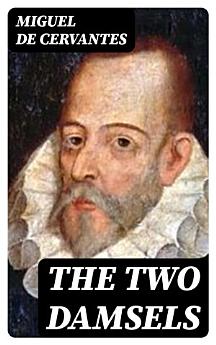
Miguel de Cervantes' "The Two Damsels" showcases his unparalleled ability to blend romance, adventure, and social commentary within a rich tapestry of narrative. This work, part of Cervantes' broader literary contributions, reflects the complexities of early 17th-century Spain, delving into themes of identity, honor, and the intricate dynamics between men and women. The prose is infused with Cervantes' characteristic wit and eloquence, and the story intertwines various narrative forms, including poetry and dialogue, creating a multifaceted reading experience that both entertains and provokes thought. Cervantes, one of the most influential figures in Western literature, wrote "The Two Damsels" during a time when the Spanish Golden Age was in full bloom. His experiences, including imprisonment and a diverse array of occupations, deeply informed his understanding of human nature and societal structures. This background enriched his portrayal of the dilemmas faced by his characters, as the author adeptly navigates the intricacies of love and chivalry in a world rife with conflict and misunderstanding. Readers who appreciate rich storytelling layered with insightful social commentary will find "The Two Damsels" a compelling addition to their literary repertoire. Cervantes' artistry not only entertains but also offers valuable reflections on gender roles and moral dilemmas that remain relevant today.
Miguel de Cervantes' "The Two Damsels" showcases his unparalleled ability to blend romance, adventure, and social commentary within a rich tapestry of narrative. This work, part of Cervantes' broader literary contributions, reflects the complexities of early 17th-century Spain, delving into theme...
Discover more
About the author
Miguel de Cervantes Saavedra (1547–1616) stands as one of the most celebrated figures in literature, widely revered as the greatest Spanish writer of all time. He is best known for penning 'Don Quixote', considered the first modern novel, which profoundly influenced the development of Western literature and established his legacy as a pioneer in the literary field. Born in Alcalá de Henares, Spain, Cervantes led a tumultuous life that included military service, enslavement by pirates, and various financial troubles. Despite these setbacks, he produced a significant body of work. Beyond 'Don Quixote', Cervantes wrote several other notable pieces, with 'The Two Damsels' ('Las dos doncellas') being one among them. This work, along with others such as 'The Ingenious Gentleman Sir Quixote of La Mancha' and the 'Exemplary Novels' ('Novelas ejemplares'), unveil his brilliance in utilizing metafiction and realism – styles that were innovative at his time. Cervantes's literary style often showcased his wit, narrative skills, and a deep understanding of human nature, setting the foundations for the modern tale and the psychological novel. His works reflect a satirical and occasionally pessimistic view of the post-Renaissance world, with a nuanced exploration of the themes of idealism vs. realism, tradition vs. innovation, and individualism vs. society. His contribution to literature is reflected in the phrase 'the Cervantine', which denotes characteristics related to his works, marking him as a master of prose whose influence endures to this day.
Miguel de Cervantes Saavedra (1547–1616) stands as one of the most celebrated figures in literature, widely revered as the greatest Spanish writer of all time. He is best known for penning 'Don Quixote', considered the first modern novel, which profoundly influenced the development of Western lit...
Rate this ebook
Tell us what you think.
Reading information
Smartphones and tablets
Install the Google Play Books app for Android and iPad/iPhone. It syncs automatically with your account and allows you to read online or offline wherever you are.
Laptops and computers
You can listen to audiobooks purchased on Google Play using your computer's web browser.
eReaders and other devices
To read on e-ink devices like Kobo eReaders, you'll need to download a file and transfer it to your device. Follow the detailed Help Center instructions to transfer the files to supported eReaders.