এই ইবুকখনৰ বিষয়ে
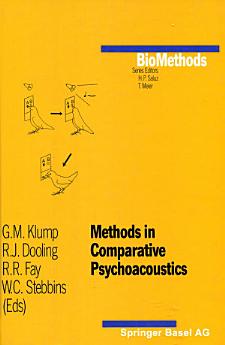
Twenty five years ago, Bill Stebbins presented the principles of animal psychophysics in an edited volume (Stebbins, 1970) describing an array of modem, creative methodologies for investigating the range of sensory systems in a variety of vertebrate species. These principles included precise stimulus control, a well defined behavioral response, and a rigorous behavioral procedure appropriate to the organism under study. As a generation of comparative sensory scientists applied these principles, our knowledge of sensory and perceptual function in a wide range of animal species has grown dramatically, especially in the field of hearing. Comparative psychoacoustics, i. e. , the study of the hearing capabilities in animals using behavioral methods, is an area of animal psychophysics that has seen remarkable advances in methodology over the past 25 years. Acoustic stimuli are now routinely generated using digital methods providing the researcher with unprecedented possibilities for stimulus control and experimental design. The strategies and paradigms for data collection and analysis are becoming more refined as well, again due in large part to the widespread use of computers. In this volume, the reader will find a modem array of strategies designed to measure detection and discrimination of both simple and complex acoustic stimuli as well experimental designs to assess how organisms perceive, identify and classify acoustic stimuli. Refinements in modem methodologies now make it possible to compare diverse species tested under similar, if not identical, experimental conditions.
Twenty five years ago, Bill Stebbins presented the principles of animal psychophysics in an edited volume (Stebbins, 1970) describing an array of modem, creative methodologies for investigating the range of sensory systems in a variety of vertebrate species. These principles included precise stim...
অধিক বিচাৰি পাওক
এই ইবুকখনক মূল্যাংকন কৰক
আমাক আপোনাৰ মতামত জনাওক।
পঢ়াৰ নির্দেশাৱলী
স্মাৰ্টফ’ন আৰু টেবলেট
Android আৰু iPad/iPhoneৰ বাবে Google Play Books এপটো ইনষ্টল কৰক। ই স্বয়ংক্রিয়ভাৱে আপোনাৰ একাউণ্টৰ সৈতে ছিংক হয় আৰু আপুনি য'তে নাথাকক ত'তেই কোনো অডিঅ'বুক অনলাইন বা অফলাইনত শুনিবলৈ সুবিধা দিয়ে।
লেপটপ আৰু কম্পিউটাৰ
আপুনি কম্পিউটাৰৰ ৱেব ব্রাউজাৰ ব্যৱহাৰ কৰি Google Playত কিনা অডিঅ'বুকসমূহ শুনিব পাৰে।
ই-ৰীডাৰ আৰু অন্য ডিভাইচ
Kobo eReadersৰ দৰে ই-চিয়াঁহীৰ ডিভাইচসমূহত পঢ়িবলৈ, আপুনি এটা ফাইল ডাউনল’ড কৰি সেইটো আপোনাৰ ডিভাইচলৈ স্থানান্তৰণ কৰিব লাগিব। সমৰ্থিত ই-ৰিডাৰলৈ ফাইলটো কেনেকৈ স্থানান্তৰ কৰিব জানিবলৈ সহায় কেন্দ্ৰত থকা সবিশেষ নিৰ্দেশাৱলী চাওক।