ກ່ຽວກັບປຶ້ມ e-book ນີ້
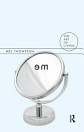
'Who am I?' In a world where randomness and chance make life transient and unpredictable, religion, psychology and philosophy have all tried, in their different ways, to answer this question and to give meaning and coherence to the human person. How we should construct a meaningful 'me' - and to make sense of one's life - is the question at the heart of Mel Thompson's illuminating book.Although Thompson begins by exploring the workings of the brain, he shows that if we are to consider the nature of the self, it is not enough to argue about such things as how mind relates to matter, or whether neuroscience can fully explain consciousness. Such an approach fails to do justice to the self that we experience and the selves that we encounter around us. We need to engage with the more personal, existential questions: how do I make sense of my life? And am I responsible for the person I have become?Thompson investigates the gap between what we are and what others perceive us to be to ascertain whether we are genuinely knowable entities. He explores the central dilemma of how one can have a fixed idea of 'me' to shape and direct one's life when, in a world of constant change, events will rob us of that fixed idea at any moment. Perhaps we would be better to let go of the need for 'me', asks Thompson, but would a self-less life be possible, or desirable?Drawing on the writings of literature, philosophy, religion and science, as well as personal reflection and anecdote, Thompson has written an engaging and thought-provoking work that recaptures the notion of 'me' from the neuroscientists and situates it at the heart of finding a place in the world.
'Who am I?' In a world where randomness and chance make life transient and unpredictable, religion, psychology and philosophy have all tried, in their different ways, to answer this question and to give meaning and coherence to the human person. How we should construct a meaningful 'me' - and to ...
ໃຫ້ຄະແນນ e-book ນີ້
ບອກພວກເຮົາວ່າທ່ານຄິດແນວໃດ.
ອ່ານຂໍ້ມູນຂ່າວສານ
ສະມາດໂຟນ ແລະ ແທັບເລັດ
ຕິດຕັ້ງ ແອັບ Google Play Books ສຳລັບ Android ແລະ iPad/iPhone. ມັນຊິ້ງຂໍ້ມູນໂດຍອັດຕະໂນມັດກັບບັນຊີຂອງທ່ານ ແລະ ອະນຸຍາດໃຫ້ທ່ານອ່ານທາງອອນລາຍ ຫຼື ແບບອອບລາຍໄດ້ ບໍ່ວ່າທ່ານຈະຢູ່ໃສ.
ແລັບທັອບ ແລະ ຄອມພິວເຕີ
ທ່ານສາມາດຟັງປຶ້ມສຽງທີ່ຊື້ໃນ Google Play ໂດຍໃຊ້ໂປຣແກຣມທ່ອງເວັບຂອງຄອມພິວເຕີຂອງທ່ານໄດ້.
eReaders ແລະອຸປະກອນອື່ນໆ
ເພື່ອອ່ານໃນອຸປະກອນ e-ink ເຊັ່ນ: Kobo eReader, ທ່ານຈຳເປັນຕ້ອງດາວໂຫຼດໄຟລ໌ ແລະ ໂອນຍ້າຍມັນໄປໃສ່ອຸປະກອນຂອງທ່ານກ່ອນ. ປະຕິບັດຕາມຄຳແນະນຳລະອຽດຂອງ ສູນຊ່ວຍເຫຼືອ ເພື່ອໂອນຍ້າຍໄຟລ໌ໄໃສ່ eReader ທີ່ຮອງຮັບ.