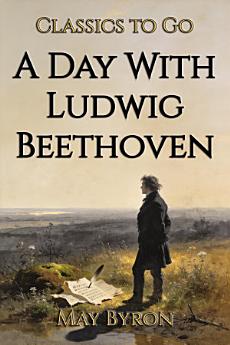
A Day With Ludwig Beethoven: Restored Classics to Go Edition
About this ebook
Discover more
About the author
May Byron was a British writer, poet, and translator whose career unfolded during the late Victorian and Edwardian eras, a period when children's literature, domestic writing, and accessible biography were flourishing. Born into a cultured and literary family, she developed a lifelong gift for making serious subjects feel warm, clear, and inviting, and she went on to publish poetry, stories, practical books, and retellings that reached a wide popular audience. She is especially remembered for her ability to bring great figures and ideas within the grasp of ordinary readers, combining gentle humor, careful observation, and a humane, conversational style. Her work often reflects themes of curiosity, imagination, moral feeling, and the belief that art and knowledge should be available to everyone, not just to specialists. That spirit gives her writing lasting relevance today, especially in an age that still values approachable storytelling and the opening of cultural history to younger or less experienced readers. Byron's legacy lies in her talent for turning biography and literary material into something intimate and memorable, helping readers feel that the past is alive and personally meaningful. Readers who enjoy graceful prose, historical curiosity, and thoughtful, family-friendly writing will especially appreciate her work.