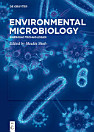
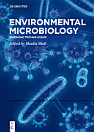
Combined Application of Physico-Chemical & Microbiological Processes for Industrial Effluent Treatment Plant

·
· Springer Nature
Ebook
407
Pages

About this ebook

In recent decades, scientific insight into the chemistry of water has increased enormously, leading to the development of advanced wastewater and water purification technologies. However, the quality of freshwater resources has continually deteriorated worldwide, both in industrialized and developing countries. Although traditional wastewater technologies focus on the removal of suspended solids, nutrients and bacteria, hundreds of organic pollutants occur in wastewater and urban surface waters. These new pollutants are synthetic or naturally occurring chemicals that are not often monitored in the environment but have the potential to enter the environment and cause known or suspected adverse ecological and / or human health effects. Collectively referred to as the "emerging contaminants," they are mostly derived from domestic use and occur in trace concentrations ranging from pico to micrograms per liter. Environmental contaminants are resistant to conventional wastewater treatment processes and most of them remain unaffected, leading to the contamination of the receiving water. As such, there is a need for advanced wastewater treatment process that is capable of removing environmental contaminants to ensure safe fresh water supplies.

This book explains the biological and chemical wastewater treatment technologies. The biological wastewater treatment processes presented include: (1) bioremediation of wastewater such as aerobic and anaerobic treatment; (2) phytoremediation of wastewater using engineered wetlands, rhizofiltration, rhizodegradation, phytodegradation, phytoaccumulation, phytotransformation and hyperaccumulators; and (3) mycoremediation of wastewater. The chemical wastewater treatment processes discussed include chemical precipitation, ion exchange, neutralization, adsorption and disinfection.

In addition, the book describes wastewater treatment plants in terms of plant size, layout and design as well as installation location. Also presenting the latest, innovative effluent water treatment processes, it is a valuable resource for biochemical and wastewater treatment engineers, environmental scientists and environmental microbiologists.

In recent decades, scientific insight into the chemistry of water has increased enormously, leading to the development of advanced wastewater and water purification technologies. However, the quality of freshwater resources has continually deteriorated worldwide, both in industrialized and develo...

Discover more

About the author

Dr. Maulin P. Shah is Chief Scientist & Head of the Industrial Waste Water Research Lab, Division of Applied and Environmental Microbiology Lab at Enviro Technology Ltd., Ankleshwar, Gujarat, India. His work focuses on the impact of industrial pollution on the microbial diversity of wastewater, and genetically engineering high-impact microbes for the degradation of hazardous materials. He is an active editorial board member in top-rated journals.
Dr. Aditi Banerjee currently holds an Independent Research Scientist position in the Centre for Nanotechnology, IIT Guwahati, supported by the Department of Science and Technology, Government of India. She started her research career as an environmentalist, focusing on treating petrochemical and refinery generated wastewater by biological methods. She has long expertise in designing and solving environmental-related issues concerning soil, water, and air. Her wide experience transcends into interdisciplinary approaches and application of treating and making wealth from waste. She has published more than 15 international research publications and 2 books.
Dr. Maulin P. Shah is Chief Scientist & Head of the Industrial Waste Water Research Lab, Division of Applied and Environmental Microbiology Lab at Enviro Technology Ltd., Ankleshwar, Gujarat, India. His work focuses on the impact of industrial pollution on the microbial diversity of wastewater, a...

Rate this ebook

Tell us what you think.

Reading information

Smartphones and tablets
Install the Google Play Books app for Android and iPad/iPhone. It syncs automatically with your account and allows you to read online or offline wherever you are.
Laptops and computers
You can listen to audiobooks purchased on Google Play using your computer's web browser.
eReaders and other devices
To read on e-ink devices like Kobo eReaders, you'll need to download a file and transfer it to your device. Follow the detailed Help Center instructions to transfer the files to supported eReaders.