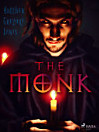
The Monk: A Romance
About this ebook
Ambrosio, initially revered for his piety and virtue, finds his resolve tested as he succumbs to the intoxicating allure of forbidden passions. Lewis expertly intertwines the themes of lust and dark temptation, as Ambrosio's interactions with ethereal and earthly temptresses lead him toward a path of moral decay and erotic entanglement. These sensual encounters, fraught with both allure and danger, underscore the monk's inner conflict and his gradual succumbing to carnal desires.
The narrative unfolds in a series of hauntingly atmospheric monastic settings, where the line between sanctity and sin is precariously thin. Through Lewis's masterful prose, the novel immerses readers in an erotic world of shadowy corners and passionate encounters, where the seductive power of sin reveals the fragility of Ambrosio's moral fortitude.
As Ambrosio's descent into depravity accelerates, the novel paints a vivid portrait of forbidden love, power struggles, and devious machinations. The culmination of his tragic downfall is both a cautionary tale and a tantalizing exploration of the human condition, emphasizing the consequences of yielding to one's basest instincts. With its rich imagery and intricate moral themes, The Monk: A Romance remains a seminal work in Gothic literature, inviting readers to contemplate the fine line between virtue and vice.
Discover more
About the author
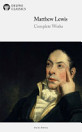
Matthew Gregory Lewis (1775–1818), often known as "Monk" Lewis, was a controversial and influential figure in late 18th-century English literature. He's primarily remembered for his Gothic novel, The Monk (1796), a work that scandalized and captivated readers in equal measure. Understanding Lewis requires examining not only his literary contributions but also the historical and social context in which he operated.
Lewis was born into a wealthy and influential family, providing him with access to education and social circles that shaped his writing and worldview. He possessed a flamboyant personality, known for his extravagance and theatrical flair. His life, however, was marked by periods of financial instability and personal struggles. This turbulent life is reflected, to some extent, in the dark and dramatic nature of his most famous work.
The Monk is a prime example of the Gothic novel, a genre characterized by gloomy settings, supernatural elements, and exploration of dark psychological themes. Lewis's novel pushed the boundaries of the genre, featuring explicit sexual content, graphic violence, and explorations of blasphemy and demonic possession. This was highly unusual for the time and resulted in significant controversy. While criticized for its sensationalism and perceived immorality, The Monk was incredibly popular, going through multiple editions and spawning numerous imitations. Its impact on later Gothic fiction, horror literature, and even Romantic poetry is undeniable. It directly influenced authors like Edgar Allan Poe and helped solidify the Gothic novel's place in literary history.
Matthew Gregory Lewis, while best known for his infamous The Monk: A Romance, was far more than a one-hit-writer. His literary acumen extended across various genres and forms, demonstrating his versatility and creativity. Beyond the novel that thrust him into notoriety, Lewis produced an array of plays, poems, and additional prose works that showcased his breadth as a writer. His extensive travels played a significant role in shaping his literary career. His journey to the Caribbean, in particular, fueled his fascination with the exotic and the macabre, enriching his narratives with vivid imagery and compelling themes.
In addition to his literary endeavors, Lewis was also engaged in public service, holding a seat in Parliament. This aspect of his life highlights the duality of his career, intertwining his creative pursuits with political involvement. His experiences in the political arena offered him unique insights into human nature and societal structures, which often found their way into his stories, adding depth and authenticity to his works. Lewis's legacy, therefore, is that of a multifaceted individual whose literary contributions were just one facet of a richly lived life.
The critical reception of Lewis's work has fluctuated throughout history. While condemned by some contemporary critics for its "immorality," others celebrated its imaginative power and boldness. Modern criticism tends to offer a more nuanced understanding of The Monk, recognizing its literary merits while acknowledging its problematic aspects. Lewis's legacy is complex, reflecting both the enduring popularity of his most famous work and the controversial nature of its content. He represents a pivotal figure in the development of the Gothic novel and a fascinating study of the interplay between literature, society, and individual personality in the late 18th century. His works continue to be studied and debated, offering valuable insights into the social and literary anxieties of his era.