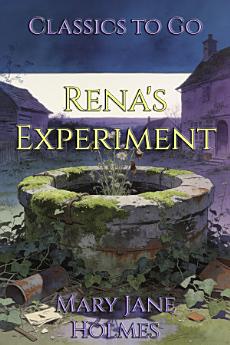
Rena's Experiment: Restored Classics to Go Edition
About this ebook
Discover more
About the author
Mary Jane Holmes was one of the most widely read American novelists of the nineteenth century, building a remarkable career from a modest New England upbringing into lasting literary fame. Born in 1825 and largely self-educated, she began writing at a time when women's voices were still fighting for space in the literary marketplace, yet she quickly found an audience for her vivid storytelling and emotional insight. Over the course of her life, she produced a large body of fiction that made her a household name, especially among readers who valued accessible, morally attentive novels centered on family life, courtship, domestic struggle, and social mobility. Her work often explores the pressures placed on women, the tension between duty and desire, and the importance of perseverance, kindness, and personal integrity in a changing world. These themes still resonate today because they speak to enduring questions about identity, class, gender, and the search for dignity in everyday life. Holmes's significance lies not only in her popularity but also in the way she helped shape the domestic novel for a broad American readership, proving that stories about private lives could carry real cultural weight. For modern readers, she offers both a window into nineteenth-century values and a surprisingly lively portrait of ambition, resilience, and emotional complexity. She will especially appeal to readers who enjoy classic women's fiction, historical domestic drama, and novels that combine sentiment with social observation.