About this ebook
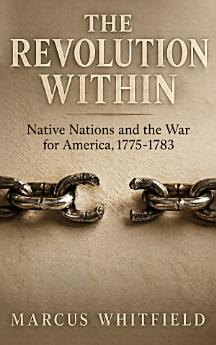
The Haudenosaunee, the Mohawk, Oneida, Onondaga, Cayuga, Seneca and Tuscarora, had always read the chain differently. Their Two Row Wampum showed two vessels on one river, each steered by its own law. When king and Congress both came asking for warriors, the question split the council at Onondaga. Most Mohawk, Seneca and Cayuga fought for the Crown. The Oneida and many Tuscarora sided with the rebels.
So at Oriskany in August 1777, Oneida men marching with the rebel militia walked into an ambush laid by Loyalists, Seneca warriors and Joseph Brant's Mohawk, and Haudenosaunee killed Haudenosaunee in a wooded ravine. Two years later Sullivan's army burned some forty of their towns with the orchards and cornfields around them. Out west, from the Shawnee towns at Chillicothe to the British Indian Department at Detroit, the war outlived Yorktown.
When Britain made peace at Paris in 1783, the treaty did not mention a single one of its Native allies. The Six Nations were left to make their own peace, at Fort Stanwix the next year, with a republic that called them conquered.