On Guerrilla Warfare: 2026 Annotated Edition with Modern Commentary
About this ebook
Discover more
About the author
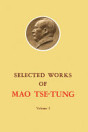
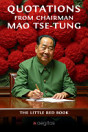
Mao Zedong (1893–1976), also transliterated as Mao Tse‑tung, was a Chinese revolutionary leader and one of the most influential military strategists of the twentieth century. His experience commanding guerrilla forces during the Chinese Civil War shaped his theories of protracted warfare, political‑military integration, and the role of popular support in armed struggle. Mao’s writings on irregular warfare, including On Guerrilla Warfare, became foundational texts for insurgent movements and military theorists worldwide. His strategic concepts—emphasizing mobility, decentralization, and the fusion of political and military objectives—continue to be studied in modern military academies and by analysts of asymmetric conflict.
Samuel B. Griffith (1906–1983) was a U.S. Marine Corps officer, scholar, and translator known for his expertise in guerrilla warfare and Chinese military history. He served with distinction in World War II, earning the Navy Cross and two Purple Hearts, and later completed a doctorate at Oxford. Griffith’s translations of On Guerrilla Warfare and The Art of War are widely regarded for their clarity, accuracy, and deep understanding of both military theory and Chinese culture. His work remains influential among historians, military professionals, and students of irregular warfare.
Praetorian Press specializes in bringing classic works of military strategy and tactics back into accessible circulation. We recover historically significant texts that continue to shape modern thinking about warfare and present them in clear, readable editions for contemporary audiences. Each volume includes thoughtful editorial context to help readers understand the work’s enduring relevance and the lessons it still offers for today’s military professionals, historians, and students of conflict.