এই ইবুকখনৰ বিষয়ে
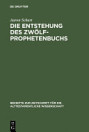
This commentary initially outlines a synchronous view of the final canonical text of Malachi, particularly in relation to the arguments set out in the disputations. The history of the text=s origins is then reconstructed. Removing the many additions reveals an originally independent collection of disputation texts. The additions introduce clarifying details that are felt to be necessary, add motifs from other writings in the Book of the Twelve Minor Prophets, or adapt the text to changed historical conditions. Finally, attention turns beyond the text of Malachi: as the last text in the Book of the Twelve Minor Prophets, Malachi makes reference to the preceding prophetic writings. The New Testament in turn takes up Malachi=s statements and develops them further. Finally, Schart examines the theological relevance of the book and also discusses questions of objective criticism and history of interpretation, as well as current issues.
This commentary initially outlines a synchronous view of the final canonical text of Malachi, particularly in relation to the arguments set out in the disputations. The history of the text=s origins is then reconstructed. Removing the many additions reveals an originally independent collection of...
অধিক বিচাৰি পাওক
লিখকৰ বিষয়ে
Prof. Aaron Schart teaches the Old Testament and New Testament at the University of Duisburg-Essen.
Prof. Aaron Schart teaches the Old Testament and New Testament at the University of Duisburg-Essen.
এই ইবুকখনক মূল্যাংকন কৰক
আমাক আপোনাৰ মতামত জনাওক।
পঢ়াৰ নির্দেশাৱলী
স্মাৰ্টফ’ন আৰু টেবলেট
Android আৰু iPad/iPhoneৰ বাবে Google Play Books এপটো ইনষ্টল কৰক। ই স্বয়ংক্রিয়ভাৱে আপোনাৰ একাউণ্টৰ সৈতে ছিংক হয় আৰু আপুনি য'তে নাথাকক ত'তেই কোনো অডিঅ'বুক অনলাইন বা অফলাইনত শুনিবলৈ সুবিধা দিয়ে।
লেপটপ আৰু কম্পিউটাৰ
আপুনি কম্পিউটাৰৰ ৱেব ব্রাউজাৰ ব্যৱহাৰ কৰি Google Playত কিনা অডিঅ'বুকসমূহ শুনিব পাৰে।
ই-ৰীডাৰ আৰু অন্য ডিভাইচ
Kobo eReadersৰ দৰে ই-চিয়াঁহীৰ ডিভাইচসমূহত পঢ়িবলৈ, আপুনি এটা ফাইল ডাউনল’ড কৰি সেইটো আপোনাৰ ডিভাইচলৈ স্থানান্তৰণ কৰিব লাগিব। সমৰ্থিত ই-ৰিডাৰলৈ ফাইলটো কেনেকৈ স্থানান্তৰ কৰিব জানিবলৈ সহায় কেন্দ্ৰত থকা সবিশেষ নিৰ্দেশাৱলী চাওক।