ამ ელწიგნის შესახებ
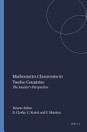
In this book, comparisons are made between the practices of classrooms in a variety of different school systems around the world. The abiding challenge for classroom research is the realization of structure in diversity. The structure in this case takes the form of patterns of participation: regularities in the social practices of mathematics classrooms. The expansion of our field of view to include international rather than just local classrooms increases the diversity and heightens the challenge of the search for structure, while increasing the significance of any structures, once found. In particular, this book reports on the use of ‘lesson events’ as an entry point for the analysis of lesson structure. International research offers opportunities to study settings and characteristics untenable in the researcher’s local situation. Importantly, international comparative studies can reveal possibilities for practice that would go unrecognized within the established norms of educational practice of one country or one culture. Our capacity to conceive of alternatives to our current practice is constrained by deep-rooted assumptions, reflecting cultural and societal values that we lack the perspective to question. The comparisons made possible by international research facilitate our identification and interrogation of these assumptions. Such interrogation opens up possibilities for innovation that might not otherwise be identified, expanding the repertoire of mathematics teachers internationally, and providing the basis for theory development.
In this book, comparisons are made between the practices of classrooms in a variety of different school systems around the world. The abiding challenge for classroom research is the realization of structure in diversity. The structure in this case takes the form of patterns of participation: regu...
შეაფასეთ ეს ელწიგნი
გვითხარით თქვენი აზრი.
ინფორმაცია წაკითხვასთან დაკავშირებით
სმარტფონები და ტაბლეტები
დააინსტალირეთ Google Play Books აპი Android და iPad/iPhone მოწყობილობებისთვის. ის ავტომატურად განახორციელებს სინქრონიზაციას თქვენს ანგარიშთან და საშუალებას მოგცემთ, წაიკითხოთ სასურველი კონტენტი ნებისმიერ ადგილას, როგორც ონლაინ, ისე ხაზგარეშე რეჟიმში.
ლეპტოპები და კომპიუტერები
Google Play-ში შეძენილი აუდიოწიგნების მოსმენა თქვენი კომპიუტერის ვებ-ბრაუზერის გამოყენებით შეგიძლიათ.
ელწამკითხველები და სხვა მოწყობილობები
ელექტრონული მელნის მოწყობილობებზე წასაკითხად, როგორიცაა Kobo eReaders, თქვენ უნდა ჩამოტვირთოთ ფაილი და გადაიტანოთ იგი თქვენს მოწყობილობაში. დახმარების ცენტრის დეტალური ინსტრუქციების მიხედვით გადაიტანეთ ფაილები მხარდაჭერილ ელწამკითხველებზე.