About this ebook
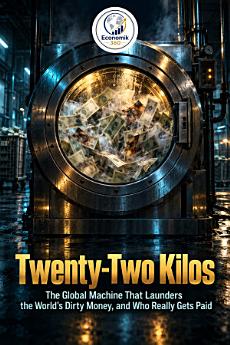
Twenty-Two Kilos follows the hidden path that money takes after a crime is already finished. A million euros in cash weighs twenty-two kilos and, the book argues, is worth nothing at all until someone finds a way to make it look ordinary. This is the story of how they do it: the fractioned deposits and cash-front businesses that place dirty money into the banking system, the shell companies and nominee directors that bury its origin under layers of paperwork stretched across a dozen jurisdictions, and the luxury apartments, fine art, and legitimate businesses that finally let it come out clean. Drawing on the Panama Papers, the FinCEN Files, and real regulatory cases including a Baltic bank that moved roughly two hundred billion euros in suspicious funds and a global bank that apologized to the United States Congress for laundering cartel money, the book asks who actually profits from this multi-trillion-dollar industry. The answer is not the criminal, who pays a steep toll at every stage. It is the vast, respectable ecosystem of lawyers, bankers, and real estate agents built to ask no questions. A clear, rigorously reported account of a system that touches every economy on earth, whether its citizens notice or not.
Twenty-Two Kilos follows the hidden path that money takes after a crime is already finished. A million euros in cash weighs twenty-two kilos and, the book argues, is worth nothing at all until someone finds a way to make it look ordinary. This is the story of how they do it: the fractioned deposi...
Discover more
Rate this ebook
Tell us what you think.
Reading information
Smartphones and tablets
Install the Google Play Books app for Android and iPad/iPhone. It syncs automatically with your account and allows you to read online or offline wherever you are.
Laptops and computers
You can listen to audiobooks purchased on Google Play using your computer's web browser.
eReaders and other devices
To read on e-ink devices like Kobo eReaders, you'll need to download a file and transfer it to your device. Follow the detailed Help Center instructions to transfer the files to supported eReaders.