អំពីសៀវភៅអេឡិចត្រូនិកនេះ
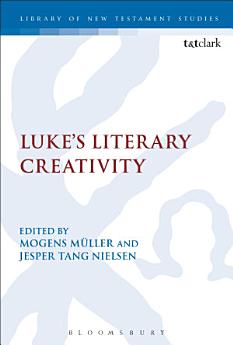
A combination of two classic discussions in New Testament scholarship, the contributions in this volume shed light on the still unsolved synoptic problem by using the well-coined concept of rewriting to describe the relationship between the synoptic gospels. The contributions work with the hypothesis that the synoptic tradition can be conceived of as a process of rewriting: Matthew rewrote Mark and Luke rewrote Mark and Matthew. This approach to the synoptic problem dismantles the grounds for the otherwise widely accepted two-source theory. If it can be shown that Luke knew Matthew's Gospel the Q-hypothesis is superfluous.
One group of articles focuses on the general question of Luke's literary relation to the other gospels. In these essays, the concept of rewriting describes Luke's use of his sources. The second part of the collection examines a number of texts in order to shown how Luke rewrites specific passages. In the final section the contributions concern Luke's relation to Roman authorities. It is shown that Luke's literary creativity is not limited to his predecessors in the gospel tradition. Rewriting is his literary strategy.
One group of articles focuses on the general question of Luke's literary relation to the other gospels. In these essays, the concept of rewriting describes Luke's use of his sources. The second part of the collection examines a number of texts in order to shown how Luke rewrites specific passages. In the final section the contributions concern Luke's relation to Roman authorities. It is shown that Luke's literary creativity is not limited to his predecessors in the gospel tradition. Rewriting is his literary strategy.
A combination of two classic discussions in New Testament scholarship, the contributions in this volume shed light on the still unsolved synoptic problem by using the well-coined concept of rewriting to describe the relationship between the synoptic gospels. The contributions work with the hypoth...
ស្វែងរកច្រើនទៀត
អំពីអ្នកនិពន្ធ
Mogens Müller is Professor of New Testament at the University of Copenhagen, Denmark.
Jesper Tang Nielsen is Professor of New Testament at the University of Copenhagen, Denmark.
Jesper Tang Nielsen is Professor of New Testament at the University of Copenhagen, Denmark.
Mogens Müller is Professor of New Testament at the University of Copenhagen, Denmark.
Jesper Tang Nielsen is Professor of New Testament at the University of Copenhagen, Denmark.
វាយតម្លៃសៀវភៅអេឡិចត្រូនិកនេះ
ប្រាប់យើងអំពីការយល់ឃើញរបស់អ្នក។
អានព័ត៌មាន
ទូរសព្ទឆ្លាតវៃ និងថេប្លេត
ដំឡើងកម្មវិធី Google Play Books សម្រាប់ Android និង iPad/iPhone ។ វាធ្វើសមកាលកម្មដោយស្វ័យប្រវត្តិជាមួយគណនីរបស់អ្នក និងអនុញ្ញាតឱ្យអ្នកអានពេលមានអ៊ីនធឺណិត ឬគ្មានអ៊ីនធឺណិតនៅគ្រប់ទីកន្លែង។
កុំព្យូទ័រយួរដៃ និងកុំព្យូទ័រ
អ្នកអាចស្ដាប់សៀវភៅជាសំឡេងដែលបានទិញនៅក្នុង Google Play ដោយប្រើកម្មវិធីរុករកតាមអ៊ីនធឺណិតក្នុងកុំព្យូទ័ររបស់អ្នក។
eReaders និងឧបករណ៍ផ្សេងទៀត
ដើម្បីអាននៅលើឧបករណ៍ e-ink ដូចជាឧបករណ៍អានសៀវភៅអេឡិចត្រូនិក Kobo អ្នកនឹងត្រូវទាញយកឯកសារ ហើយផ្ទេរវាទៅឧបករណ៍របស់អ្នក។ សូមអនុវត្តតាមការណែនាំលម្អិតរបស់មជ្ឈមណ្ឌលជំនួយ ដើម្បីផ្ទេរឯកសារទៅឧបករណ៍អានសៀវភៅអេឡិចត្រូនិកដែលស្គាល់។