Información sobre este eBook
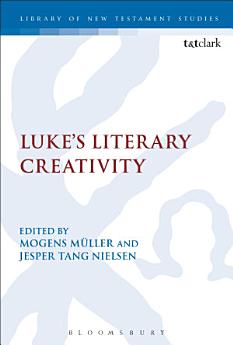
A combination of two classic discussions in New Testament scholarship, the contributions in this volume shed light on the still unsolved synoptic problem by using the well-coined concept of rewriting to describe the relationship between the synoptic gospels. The contributions work with the hypothesis that the synoptic tradition can be conceived of as a process of rewriting: Matthew rewrote Mark and Luke rewrote Mark and Matthew. This approach to the synoptic problem dismantles the grounds for the otherwise widely accepted two-source theory. If it can be shown that Luke knew Matthew's Gospel the Q-hypothesis is superfluous.
One group of articles focuses on the general question of Luke's literary relation to the other gospels. In these essays, the concept of rewriting describes Luke's use of his sources. The second part of the collection examines a number of texts in order to shown how Luke rewrites specific passages. In the final section the contributions concern Luke's relation to Roman authorities. It is shown that Luke's literary creativity is not limited to his predecessors in the gospel tradition. Rewriting is his literary strategy.
One group of articles focuses on the general question of Luke's literary relation to the other gospels. In these essays, the concept of rewriting describes Luke's use of his sources. The second part of the collection examines a number of texts in order to shown how Luke rewrites specific passages. In the final section the contributions concern Luke's relation to Roman authorities. It is shown that Luke's literary creativity is not limited to his predecessors in the gospel tradition. Rewriting is his literary strategy.
A combination of two classic discussions in New Testament scholarship, the contributions in this volume shed light on the still unsolved synoptic problem by using the well-coined concept of rewriting to describe the relationship between the synoptic gospels. The contributions work with the hypoth...
Descubre más
Acerca del autor
Mogens Müller is Professor of New Testament at the University of Copenhagen, Denmark.
Jesper Tang Nielsen is Professor of New Testament at the University of Copenhagen, Denmark.
Jesper Tang Nielsen is Professor of New Testament at the University of Copenhagen, Denmark.
Mogens Müller is Professor of New Testament at the University of Copenhagen, Denmark.
Jesper Tang Nielsen is Professor of New Testament at the University of Copenhagen, Denmark.
Valorar este eBook
Danos tu opinión.
Información sobre cómo leer
Smartphones y tablets
Instala la aplicación Google Play Libros para Android y iPad/iPhone. Se sincroniza automáticamente con tu cuenta y te permite leer contenido online o sin conexión estés donde estés.
Ordenadores portátiles y de escritorio
Puedes usar el navegador web del ordenador para escuchar audiolibros que hayas comprado en Google Play.
eReaders y otros dispositivos
Para leer en dispositivos de tinta electrónica, como los lectores de libros electrónicos de Kobo, es necesario descargar un archivo y transferirlo al dispositivo. Sigue las instrucciones detalladas del Centro de Ayuda para transferir archivos a lectores de libros electrónicos compatibles.