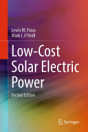
Low-Cost Solar Electric Power

ยท Springer
เด‡-เดฌเตเด•เตเด•เต
181
เดชเต‡เดœเตเด•เตพ

เดˆ เด‡-เดฌเตเด•เตเด•เดฟเดจเต†เด•เตเด•เตเดฑเดฟเดšเตเดšเต

This book describes recent breakthroughs that promise major cost reductions in solar energy production in a clear and highly accessible manner. The author addresses the three key areas that have commonly resulted in criticism of solar energy in the past: cost, availability, and variability. Coverage includes cutting-edge information on recently developed 40๏™‚ efficient solar cells, which can produce double the power of currently available commercial cells. The discussion also highlights the potentially transformative emergence of opportunities for integration of solar energy storage and natural gas combined heat and power systems. Solar energy production in the evening hours is also given fresh consideration via the convergence of low cost access to space and the growing number of large terrestrial solar electric power fields around the world.

Dr. Fraas has been active in the development of Solar Cells and Solar Electric Power Systems for space and terrestrial applications since 1975. His research team at Boeing demonstrated the first GaAs/GaSb tandem concentrator solar cell in 1989 with a world record energy conversion efficiency of 35๏™‚, garnering awards from Boeing and NASA. He has over 30 years of experience at Hughes Research Labs, Chevron Research Co, and the Boeing High Technology Center working with advanced semiconductor devices. In a pioneering paper, he proposed the InGaP/GaInAs/Ge triple junction solar cell predicting a cell terrestrial conversion efficiency of 40๏™‚ at 300 suns concentration. Having become todayโ€™s predominant cell for space satellites, that cell is now entering high volume production for terrestrial Concentrated Photovoltaic (CPV) systems. Since joining JX Crystals, Dr. Fraas has pioneered the development of various thermophotovoltaic (TPV) systems based on the new GaSb infrared sensitive PV cell. Dr. Fraas holds degrees from Caltech (B.Sc. Physics), Harvard (M. A. Applied Physics), and USC (Ph.D. EE).

This book describes recent breakthroughs that promise major cost reductions in solar energy production in a clear and highly accessible manner. The author addresses the three key areas that have commonly resulted in criticism of solar energy in the past: cost, availability, and variability. Cover...

เด•เต‚เดŸเตเดคเตฝ เด•เดฃเตเดŸเต†เดคเตเดคเต‚

เดฐเดšเดฏเดฟเดคเดพเดตเดฟเดจเต† เด•เตเดฑเดฟเดšเตเดšเต

Dr. Fraas has been active in the development of Solar Cells and Solar Electric Power Systems for space and terrestrial applications since 1975. He led the research team at Boeing that demonstrated the first GaAs/GaSb tandem concentrator solar cell in 1989 with a world record energy conversion efficiency of 35%. He received awards from Boeing and NASA for this work. He has over 30 years of experience at Hughes Research Labs, Chevron Research Co, and the Boeing High Technology Center working with advanced semiconductor devices.

Dr. Fraas joined JX Crystals in 1993, where he has led the development of advanced solar cells and concentrated sunlight systems. At JX Crystals, he pioneered the development of various thermophotovoltaic (TPV) systems based on the new GaSb infrared sensitive PV cell. In 1978 while at Hughes Research Labs, he published a pioneering paper proposing the InGaP/GaInAs/Ge triple junction solar cell predicting a cell terrestrial conversion efficiency of 40% at 300 suns concentration. This 40% efficiency has now been achieved and this cell is the predominant cell today for space satellites. It is now entering high volume production for terrestrial Concentrated Photovoltaic (CPV) systems.

Dr Fraas holds degrees from Caltech (B.Sc. Physics), Harvard (M. A. Applied Physics), and USC (Ph.D. EE). At Caltech, he studied Physics with Prof. Richard P. Feynman. Dr. Fraas has written over 350 technical papers, over 60 patents, and a book entitled Path to Affordable Solar Electric Power & The 35% Efficient Solar Cell (2005). He is co-editor and co-author of a Wiley book entitled Solar Cells and Their Applications (2nd Edition) published in 2010.
Dr. Fraas has been active in the development of Solar Cells and Solar Electric Power Systems for space and terrestrial applications since 1975. He led the research team at Boeing that demonstrated the first GaAs/GaSb tandem concentrator solar cell in 1989 with a world record energy conversion eff...

เดˆ เด‡-เดฌเตเด•เตเด•เต เดฑเต‡เดฑเตเดฑเต เดšเต†เดฏเตเดฏเตเด•

เดจเดฟเด™เตเด™เดณเตเดŸเต† เด…เดญเดฟเดชเตเดฐเดพเดฏเด‚ เดžเด™เตเด™เดณเต† เด…เดฑเดฟเดฏเดฟเด•เตเด•เตเด•.

เดตเดพเดฏเดจเดพ เดตเดฟเดตเดฐเด™เตเด™เตพ

เดธเตโ€ŒเดฎเดพเตผเดŸเตเดŸเตเดซเต‹เดฃเตเด•เดณเตเด‚ เดŸเดพเดฌเตโ€Œเดฒเต†เดฑเตเดฑเตเด•เดณเตเด‚
Android, iPad/iPhone เดŽเดจเตเดจเดฟเดตเดฏเตเด•เตเด•เดพเดฏเดฟ Google Play เดฌเตเด•เตโ€Œเดธเต เด†เดชเตเดชเต เด‡เตปเดธเตโ€Œเดฑเตเดฑเดพเตพ เดšเต†เดฏเตเดฏเตเด•. เด‡เดคเต เดจเดฟเด™เตเด™เดณเตเดŸเต† เด…เด•เตเด•เต—เดฃเตเดŸเตเดฎเดพเดฏเดฟ เดธเตเดตเดฏเดฎเต‡เดต เดธเดฎเดจเตเดตเดฏเดฟเดชเตเดชเดฟเด•เตเด•เดชเตเดชเต†เดŸเตเด•เดฏเตเด‚, เดŽเดตเดฟเดŸเต† เด†เดฏเดฟเดฐเตเดจเตเดจเดพเดฒเตเด‚ เด“เตบเดฒเตˆเดจเดฟเตฝ เด…เดฒเตเดฒเต†เด™เตเด•เดฟเตฝ เด“เดซเตโ€Œเดฒเตˆเดจเดฟเตฝ เดตเดพเดฏเดฟเด•เตเด•เดพเตป เดจเดฟเด™เตเด™เดณเต† เด…เดจเตเดตเดฆเดฟเด•เตเด•เตเด•เดฏเตเด‚ เดšเต†เดฏเตเดฏเตเดจเตเดจเต.
เดฒเดพเดชเตเดŸเต‹เดชเตเดชเตเด•เดณเตเด‚ เด•เดฎเตเดชเตเดฏเต‚เดŸเตเดŸเดฑเตเด•เดณเตเด‚
Google Play-เดฏเดฟเตฝ เดจเดฟเดจเตเดจเต เดตเดพเด™เตเด™เดฟเดฏเดฟเดŸเตเดŸเตเดณเตเดณ เด“เดกเดฟเดฏเต‹ เดฌเตเด•เตเด•เตเด•เตพ เด•เดฎเตเดชเตเดฏเต‚เดŸเตเดŸเดฑเดฟเดจเตโ€เดฑเต† เดตเต†เดฌเต เดฌเตเดฐเต—เดธเตผ เด‰เดชเดฏเต‹เด—เดฟเดšเตเดšเตเด•เตŠเดฃเตเดŸเต เดตเดพเดฏเดฟเด•เตเด•เดพเดตเตเดจเตเดจเดคเดพเดฃเต.
เด‡-เดฑเต€เดกเดฑเตเด•เดณเตเด‚ เดฎเดฑเตเดฑเต เด‰เดชเด•เดฐเดฃเด™เตเด™เดณเตเด‚
Kobo เด‡-เดฑเต€เดกเดฑเตเด•เตพ เดชเต‹เดฒเตเดณเตเดณ เด‡-เด‡เด™เตเด•เต เด‰เดชเด•เดฐเดฃเด™เตเด™เดณเดฟเตฝ เดตเดพเดฏเดฟเด•เตเด•เดพเตป เด’เดฐเต เดซเดฏเตฝ เดกเต—เตบเดฒเต‹เดกเต เดšเต†เดฏเตเดคเต เด…เดคเต เดจเดฟเด™เตเด™เดณเตเดŸเต† เด‰เดชเด•เดฐเดฃเดคเตเดคเดฟเดฒเต‡เด•เตเด•เต เด•เตˆเดฎเดพเดฑเต‡เดฃเตเดŸเดคเตเดฃเตเดŸเต. เดชเดฟเดจเตเดคเตเดฃเดฏเตเดณเตเดณ เด‡-เดฑเต€เดกเดฑเตเด•เดณเดฟเดฒเต‡เด•เตเด•เต เดซเดฏเดฒเตเด•เตพ เด•เตˆเดฎเดพเดฑเดพเตป, เดธเดนเดพเดฏ เด•เต‡เดจเตเดฆเตเดฐเดคเตเดคเดฟเดฒเตเดณเตเดณ เดตเดฟเดถเดฆเดฎเดพเดฏ เดจเดฟเตผเดฆเตเดฆเต‡เดถเด™เตเด™เตพ เดซเต‹เดณเต‹ เดšเต†เดฏเตเดฏเตเด•.

Lewis M. Fraas เดŽเดจเตเดจ เดฐเดšเดฏเดฟเดคเดพเดตเดฟเดจเตเดฑเต† เด•เต‚เดŸเตเดคเตฝ เดชเตเดธเตโ€Œเดคเด•เด™เตเด™เตพ

เดธเดฎเดพเดจเดฎเดพเดฏ เด‡-เดฌเตเด•เตเด•เตเด•เตพ