About this ebook
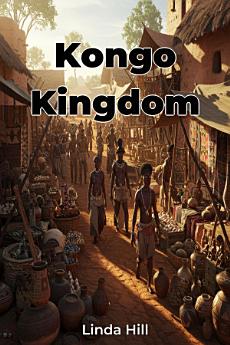
The book delves into the evolution of Kongo kingship, the impact of the transatlantic trade (including the slave trade), and the complexities of religious conversion, illustrating how the Kongo skillfully maintained its sovereignty and cultural identity. For example, the Kongo kings strategically used diplomatic ties with the Portuguese to strengthen their position, while simultaneously adapting Christianity to fit their existing belief systems.
Supported by historical documents and archaeological findings, Kongo Kingdom unfolds across three parts, detailing the kingdom's origins, the impact of Portuguese arrival, and its internal dynamics through periods of prosperity and decline. By prioritizing African perspectives and engaging with scholarly debates, this book offers a nuanced understanding of Kongo's legacy in contemporary Africa and the diaspora. It progresses by first laying the geographical and political foundations, then examining the ramifications of trade and Christianity, and finally analyzing internal power struggles and cultural resilience. This approach makes Kongo Kingdom a valuable resource for anyone interested in African history and world history.