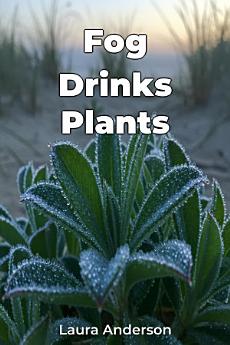
Fog Drinks Plants
About this ebook
The book examines the ecological significance of fog, demonstrating its influence on plant distribution, abundance, and overall resilience in water-limited coastal environments. It highlights how these fog-dependent ecosystems are particularly vulnerable to climate change and habitat destruction.
Progressing from an introduction to atmospheric water harvesting, the book delves into morphological adaptations, ecological implications, and concludes with a discussion on conservation strategies, offering a comprehensive view of fog's importance. This book stands out by integrating physiological, ecological, and climatological perspectives, presenting a holistic understanding of fog interception.
By combining field observations with laboratory analyses, Fog Drinks Plants emphasizes the need to protect these unique ecosystems, making it valuable for both researchers and anyone interested in botany, environmental science, and the intricate relationship between nature and plant adaptations.