এই ই-বুকের বিষয়ে
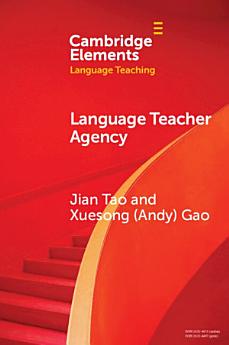
This Element aims to elucidate the concept of language teacher agency by exploring the 'what' question, offering major conceptualisations of agency and explaining how they shape the way we approach teacher agency. The authors then continue with the 'why' question, and elaborate on the reasons that language teacher agency matters, based on a discussion of the varied purposes of teacher agency at multiple levels. They also acknowledge that teacher agency does not operate alone, and discuss how it intersects with such concepts as teacher identity, emotion, belief and knowledge. Based on this, they identify ways to promote teacher agency through making changes to contexts and/or actors. They then introduce the concept of collective agency and propose a multi-layered model based on an illustrative study. The Element ends with a call for a trans-perspective on understanding language teacher agency so as to facilitate the professional development of language teachers.
This Element aims to elucidate the concept of language teacher agency by exploring the 'what' question, offering major conceptualisations of agency and explaining how they shape the way we approach teacher agency. The authors then continue with the 'why' question, and elaborate on the reasons tha...
ই-বুকে রেটিং দিন
আপনার মতামত জানান।
পঠন তথ্য
স্মার্টফোন এবং ট্যাবলেট
Android এবং iPad/iPhone এর জন্য Google Play বই অ্যাপ ইনস্টল করুন। এটি আপনার অ্যাকাউন্টের সাথে অটোমেটিক সিঙ্ক হয় ও আপনি অনলাইন বা অফলাইন যাই থাকুন না কেন আপনাকে পড়তে দেয়।
ল্যাপটপ ও কম্পিউটার
Google Play থেকে কেনা অডিওবুক আপনি কম্পিউটারের ওয়েব ব্রাউজারে শুনতে পারেন।
eReader এবং অন্যান্য ডিভাইস
Kobo eReaders-এর মতো e-ink ডিভাইসে পড়তে, আপনাকে একটি ফাইল ডাউনলোড ও আপনার ডিভাইসে ট্রান্সফার করতে হবে। ব্যবহারকারীর উদ্দেশ্যে তৈরি সহায়তা কেন্দ্রতে দেওয়া নির্দেশাবলী অনুসরণ করে যেসব eReader-এ ফাইল পড়া যাবে সেখানে ট্রান্সফার করুন।