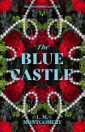
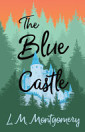
The Blue Castle: Restored Classics to Go Edition
About this ebook
Discover more
About the author
L. M. (Lucy Maud) Montgomery was born in 1874 on Prince Edward Island, Canada, and the landscapes, rhythms, and social textures of that place shaped her imagination for the rest of her life. Orphaned young and raised largely by her grandparents, she developed an early habit of turning to books, nature, and writing as sources of comfort and self-definition. Over time, she became one of the most beloved and enduring authors in English-language literature, celebrated for her vivid storytelling, lyrical descriptions, and keen understanding of the inner lives of girls and women. Her fiction often explores themes of belonging, imagination, resilience, loneliness, and the quiet courage required to claim one's own future, all while balancing warmth with an honest awareness of social constraint. She wrote with special sensitivity about the tension between duty and desire, the pressure of community expectations, and the restorative power of beauty, friendship, and hope. That combination gives her work lasting relevance today, especially for readers interested in stories about self-discovery, emotional independence, and the search for a meaningful life beyond convention. Montgomery's legacy endures not only because of her memorable characters and richly imagined settings, but because she gives dignity to everyday feeling and shows how inner life can be a form of resistance. Readers who enjoy classic fiction with heart, atmosphere, and a strong sense of place will find her especially rewarding.