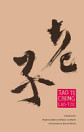
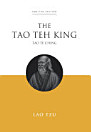
About this ebook
Through profound yet simple teachings, Lao Tzu emphasizes harmony with nature, humility, compassion, simplicity, inner peace, and the practice of Wu Wei (effortless action). The work reflects on leadership, personal conduct, self-awareness, and the relationship between humanity and the natural world.
Considered one of the greatest works of Eastern philosophy and spiritual literature, Tao Te Ching has influenced generations of thinkers, leaders, and seekers around the world. Its timeless wisdom continues to inspire readers interested in philosophy, spirituality, and the art of living.
About the author
Lao Tzu (traditionally dated around the 6th century BCE) was an ancient Chinese philosopher, sage, and the legendary founder of Taoism (Daoism). His name, meaning “Old Master” or “Old Teacher,” reflects his reputation as a wise thinker and spiritual guide.
Lao Tzu is traditionally credited as the author of the Tao Te Ching, one of the most influential works in Chinese philosophy and world spiritual literature. His teachings emphasize harmony with the Tao (the Way), simplicity, humility, compassion, balance, and the principle of Wu Wei (effortless action).
Although historical details about Lao Tzu's life remain uncertain, his philosophical ideas have profoundly influenced Chinese culture, religion, ethics, politics, and personal development for more than two thousand years. His wisdom continues to inspire readers worldwide in the pursuit of peace, balance, and understanding of life.