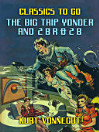
The Big Trip Up Yonder: Restored Classics to Go Edition
About this ebook
Discover more
About the author
Kurt Vonnegut was an American novelist, satirist, and public thinker whose life and writing were shaped by the upheavals of the twentieth century. Born in Indianapolis in 1922, he studied at Cornell University before serving in the U.S. Army during World War II, an experience that left a lasting mark on his imagination and moral outlook, especially after he survived the firebombing of Dresden as a prisoner of war. Out of that trauma and the absurdities of modern life, he developed a voice unlike any other: darkly funny, plainspoken, compassionate, and sharply skeptical of war, technology, and the stories societies tell themselves. Across a body of work that includes novels, essays, and short fiction, he became known for blending science fiction, satire, and philosophical reflection to expose cruelty, consumerism, and the fragility of human dignity. His writing often returned to themes of free will, grief, time, and the search for decency in a chaotic world, making him especially resonant in an age still marked by violence, misinformation, and social fragmentation. Vonnegut's legacy endures because he made moral seriousness accessible without losing wit or tenderness, and because he spoke to readers who feel both alarmed and amused by the absurdity of being alive. He is especially rewarding for readers who enjoy satirical fiction, antiwar literature, and books that are funny on the surface but deeply humane underneath.