About this ebook
A trade moves into profit. The entry was good. The direction was correct. The market confirms the idea. For a moment, everything seems under control.
Then something changes.
The profit on the screen starts to feel real before it is secured. A normal pullback feels personal. A smaller gain feels like failure compared to the best number that flashed a few minutes earlier. The trade that should have paid becomes harder to manage with every tick.
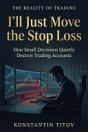
This book explores one of the most painful patterns in trading: turning winning trades into losing ones. Not because the market was impossible to read, but because being right created emotional instability. Open profit became attachment. Attachment became hesitation. Hesitation became damage.
Through realistic market situations and psychologically precise observations, this book shows how traders often lose control after success, not before it. It explains why unrealized profit can distort judgment, why traders become anchored to the highest number they saw on the screen, and why a trade that is still profitable can begin to feel like a loss once it starts giving something back.
This is not a book about indicators, prediction, or technical tricks. It is a book about what happens after the trade works. About the hidden danger of ownership, entitlement, and the refusal to accept an exit that feels smaller than the peak. About the quiet emotional shift that turns a managed winner into an argument with memory.
You will recognize the inner logic:
“It can go further.”
“It’s only a pullback.”
“I don’t want to leave money on the table.”
“No point closing now after giving some back.”
“I’ll take it on the next push.”
These thoughts feel normal in the moment. That is exactly why they are so costly.
By the end, one truth becomes difficult to ignore:
Many losing trades do not begin as bad trades. They begin as winning trades that were not managed honestly.
Discover more
About the author
Konstantin Titov writes about the moments in trading that look successful on the surface and quietly become destructive underneath. His work focuses on behavioral distortion after validation, especially when good entries, correct direction, and visible profit begin to destabilize judgment instead of confirming it.
In this book, he examines a pattern many traders know intimately but rarely describe with precision: the strange inability to keep what the market had already offered. Rather than reducing the issue to greed or poor discipline, Titov exposes the deeper mechanism behind it—attachment to unrealized profit, emotional ownership of temporary gains, and the quiet collapse of objectivity once the trade starts feeling personal.
His books are recognized for turning familiar market behavior into exact psychological recognition. Calm, sharp, and unsentimental, his writing speaks to traders who want to understand not only where decisions fail, but why failure often begins after they were already right.