關於這本電子書
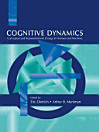
Knowledge representation is fundamental to the study of mind. All theories of psychological processing are rooted in assumptions about how information is stored. These assumptions, in turn, influence the explanatory power of theories. This book fills a gap in the existing literature by providing an overview of types of knowledge representation techniques and their use in cognitive models.
Organized around types of representations, this book begins with a discussion of the foundations of knowledge representation, then presents discussions of different ways that knowledge representation has been used. Both symbolic and connectionist approaches to representation are discussed and a set of recommendations about the way representations should be used is presented. This work can be used as the basis for a course on knowledge representation or can be read independently. It will be useful to students of psychology as well as people in related disciplines--computer science, philosophy, anthropology, and linguistics--who want an introduction to techniques for knowledge representation.
Organized around types of representations, this book begins with a discussion of the foundations of knowledge representation, then presents discussions of different ways that knowledge representation has been used. Both symbolic and connectionist approaches to representation are discussed and a set of recommendations about the way representations should be used is presented. This work can be used as the basis for a course on knowledge representation or can be read independently. It will be useful to students of psychology as well as people in related disciplines--computer science, philosophy, anthropology, and linguistics--who want an introduction to techniques for knowledge representation.
Knowledge representation is fundamental to the study of mind. All theories of psychological processing are rooted in assumptions about how information is stored. These assumptions, in turn, influence the explanatory power of theories. This book fills a gap in the existing literature by providing ...
為這本電子書評分
請分享你的寶貴意見。
閱讀資訊
智能手機和平板電腦
手提電腦和電腦
你可以使用電腦的網絡瀏覽器聆聽在 Google Play 上購買的有聲書。
電子書閱讀器及其他裝置
如要在 Kobo 等電子墨水裝置上閱覽書籍,你需要下載檔案並傳輸到你的裝置。請按照說明中心的詳細指示,將檔案傳輸到支援的電子書閱讀器。